

Signs of Bipolar Disorder in Teens
Understanding Bipolar Disorder in Adolescence
Bipolar disorder is a mental health condition marked by extreme mood shifts. It impacts how teens think, behave, and manage stress. These shifts can cause problems at school, home, or in relationships.
Teen Mental Health Facility supports families with early diagnosis, therapy, and psychiatry-led treatment. We help teens manage symptoms and avoid complications like substance abuse or self-harm.
Defining Bipolar Symptoms in Teens
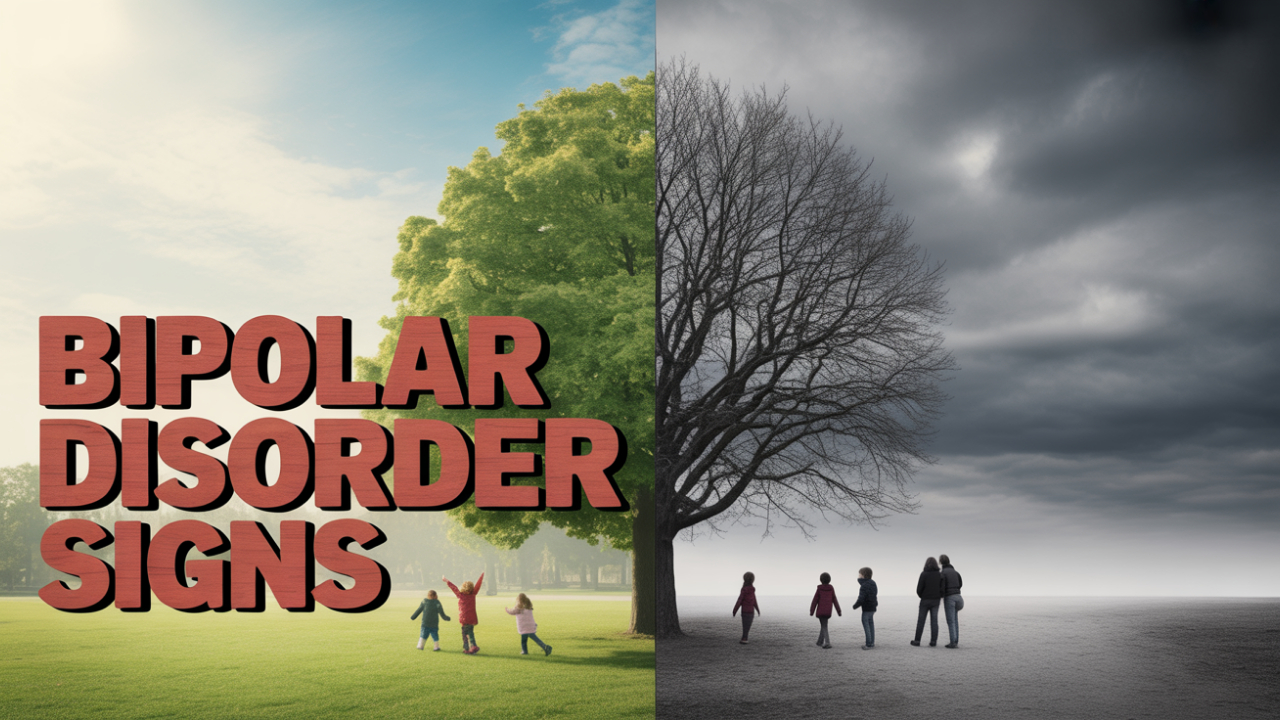
Bipolar disorder symptoms in teenagers often include both manic and depressive episodes. Mania presents as elevated mood, hyperactivity, and risky behavior. Depression includes deep sadness, guilt, and sleep changes.
Bipolar depression symptoms in teens are sometimes confused with major depressive disorder. But bipolar disorder alternates between high and low states, affecting the teen’s mind and behavior in unpredictable ways.
Mood Swings and Behavioral Changes
Bipolar symptoms in teens often appear as rapid and extreme mood changes. A teen may feel euphoria one day and show signs of a major depressive episode the next. These mood swings go beyond typical teenage behavior.
Teens with bipolar II disorder experience hypomania instead of full mania. Hypomania includes bursts of energy and reduced need for sleep but lacks the psychosis seen in bipolar I disorder.
Depression, Anger, and Irritability
Teenage bipolar depression symptoms can look like major depressive disorder but often include more irritability and anger. Teens may react with aggression or become emotionally shut down.
Parents should track changes in sleep, appetite, and social withdrawal. When sadness combines with rage or hostility, it may signal a deeper mood disorder.
Common Misdiagnoses in Teens
Because symptoms overlap, bipolar disorder is sometimes misdiagnosed as attention deficit hyperactivity disorder (ADHD) or oppositional defiant disorder. Mislabeling can delay proper treatment.
A licensed mental health professional must rule out other mental health disorders using the Diagnostic and Statistical Manual of Mental Disorders by the American Psychiatric Association.
Co-Occurring Mental Health Conditions
Teens with bipolar disorder often have co-occurring conditions such as anxiety disorder, ADHD, or borderline personality disorder. These conditions increase emotional instability and risk of substance abuse.
Dual diagnosis care is essential to address both mood disorder and accompanying psychiatric or behavioral issues. Treatment should be personalized and include coordinated support from a health care provider team.
The Role of Family Medical History
Family medical history plays a major role in the development of bipolar disorder. If a parent or sibling has bipolar I disorder, bipolar II disorder, or cyclothymia, a teen is at greater risk.
Health care professionals consider genetic factors along with life stress, trauma, and early substance use. Sharing accurate information about family psychiatric history helps guide diagnosis and care.
Mania and Hypomania in Teens
Bipolar I disorder includes manic episodes marked by grandiosity, sleeplessness, and racing thoughts. In severe cases, teens may experience psychosis with delusions or hallucinations.
Bipolar II disorder involves hypomania, which appears less extreme but still disrupts mood and behavior. Teens may talk fast, jump between ideas, or act impulsively without considering consequences.
Teenage Bipolar Depression Symptoms
Teenage bipolar depression symptoms may include intense sadness, hopelessness, and physical fatigue. Unlike unipolar depression, this phase alternates with elevated states.
Bipolar disorder symptoms in teenage females may include more depressive episodes than manic ones. These teens are also more likely to experience weight changes, sleep issues, and emotional withdrawal.
Diagnosis and Evaluation
Diagnosing bipolar disorder in teens requires a thorough evaluation by a mental health professional. The process includes clinical interviews, psychiatric assessments, and observation of mood patterns.
The Diagnostic and Statistical Manual of Mental Disorders (DSM-5) outlines criteria for mood episodes, such as major depressive episodes, manic episodes, and hypomania. Diagnosis must also consider the teen’s age, developmental stage, and medical history.
Common Treatments and Medications
Treatment for bipolar disorder includes a mix of therapy and medication. Mood stabilizers like lithium are commonly used to reduce extreme highs and lows. Antipsychotics like lurasidone can treat mania and bipolar depression.
If anxiety or depressive symptoms dominate, antidepressants may be used cautiously with a mood stabilizer to avoid triggering mania. Electroconvulsive therapy may be considered in cases where medication is not effective.
Role of Therapy in Recovery
Therapy helps teens build coping skills and manage emotional triggers. Dialectical behavior therapy (DBT) is useful for teens with impulsivity, self-harm, or emotion regulation problems.
Individual and family therapy sessions also improve communication and reduce household stress. At Teen Mental Health Facility, therapy sessions are led by licensed psychology and psychiatry professionals.
Addressing Substance Abuse in Teens
Substance abuse is common among teens trying to self-medicate mood symptoms. Alcohol and drug use worsen bipolar symptoms and make treatment more difficult.
Teens with both a mood disorder and substance abuse issue need integrated care. Our programs focus on harm reduction, relapse prevention, and mental health stabilization.
Education and School Accommodations
Teens with bipolar disorder may struggle with attention, sleep, and energy during mood episodes. These changes affect academic performance and peer relationships.
Health care providers and school staff should coordinate individualized education plans (IEPs). Accommodations may include flexible deadlines, mental health breaks, or adjusted workloads.
Risk of Emergency Situations
Mania and severe depression may lead to impulsive or dangerous behavior. Teens with suicidal thoughts, aggression, or psychosis need immediate support from emergency mental health services.
Our facility offers crisis evaluation, inpatient stabilization, and PHP services for teens in need of urgent care. We work with families and health care systems to ensure safety.
Lifelong Mental Health Care
Bipolar disorder is a chronic disease that requires ongoing treatment into adulthood. Teens need education about their diagnosis and tools for self-management as they transition to adult care.
Early and consistent therapy helps reduce relapse rates and hospitalizations. Long-term care often includes regular psychiatry visits, mood tracking, and medication adjustments.
Parenting a Teen with Bipolar Disorder
Parents should provide structure, set boundaries, and stay informed. Open discussions about mental health reduce stigma and build trust.
Learning about mood disorders, treatment options, and behavior cues empowers parents. Our team offers parent support groups, family sessions, and education to help manage challenges at home.
Importance of Consistent Monitoring
Teens with bipolar disorder benefit from consistent monitoring by a health care provider. Medication side effects, mood shifts, and academic stress can trigger symptom changes.
Routine visits with psychiatry, therapy check-ins, and school updates help track progress. Monitoring also ensures that medical history and treatment plans remain current.
Preparing for the Future
Teens with early intervention and appropriate care often achieve stability. Ongoing therapy, medication, and education lead to improved mental health and academic success.
How Teen Mental Health Facility Can Help
Teen Mental Health Facility offers specialized treatment for teens showing signs of bipolar disorder, including major depressive episodes, hypomania, and mood instability. Our programs are designed by licensed psychiatry and psychology experts who understand the complexities of adolescent brain development and behavior. We provide full diagnostic evaluations using the Diagnostic and Statistical Manual of Mental Disorders (DSM-5) and create custom care plans based on medical history, mood disorder type, and co-occurring conditions such as anxiety disorder, substance abuse, or attention deficit hyperactivity disorder.
Treatment options at our facility include evidence-based therapy, psychiatry-led medication management, and family support. Teens may receive mood stabilizers like lithium or lurasidone under careful supervision by a health care provider. We offer dialectical behavior therapy (DBT), individual sessions, group therapy, and partial hospitalization programs (PHP) to help teens build emotional regulation skills, manage impulsivity, and reduce relapse risk. Our goal is to give every teen the tools they need to manage their mental health and succeed in everyday life.
FAQs
1. Can bipolar disorder look like typical teen mood swings?
While normal moodiness is common, bipolar disorder causes severe mood shifts that interfere with daily functioning and relationships.
2. What age do bipolar symptoms usually begin in teens?
Symptoms often start in mid to late adolescence, around ages 14–18, but early-onset cases can occur as young as age 10.
3. Is it safe for teens to take lithium or lurasidone?
Yes, when monitored by a psychiatrist, these medications are approved and effective in treating teen bipolar disorder.
4. How does cyclothymia differ from full bipolar disorder?
Cyclothymia involves chronic mood fluctuations that are milder than those in bipolar I or II but still impact daily life.
Sources Used
National Institute of Mental Health (NIMH) – Provides scientific information on bipolar disorder, symptoms, diagnosis, and treatment.
https://www.nimh.nih.gov/health/topics/bipolar-disorderAmerican Psychiatric Association – Publisher of the Diagnostic and Statistical Manual of Mental Disorders (DSM-5) used in diagnosis of bipolar disorder.
https://www.psychiatry.org/patients-families/bipolar-disordersMayo Clinic – Offers detailed descriptions of bipolar disorder symptoms, causes, and medications such as lithium and lurasidone.
https://www.mayoclinic.org/diseases-conditions/bipolar-disorder/symptoms-causes/syc-20355955Child Mind Institute – Specializes in youth mental health and provides information on diagnosis and treatment options for teen bipolar disorder.
https://childmind.org/guide/parents-guide-to-bipolar-disorder/Substance Abuse and Mental Health Services Administration (SAMHSA) – Shares data on co-occurring disorders and the importance of integrated treatment.
https://www.samhsa.gov/mental-healthCleveland Clinic – Provides clinical explanations of bipolar I, bipolar II, and cyclothymia, and outlines medication and therapy options.
https://my.clevelandclinic.org/health/diseases/9294-bipolar-disorderNational Alliance on Mental Illness (NAMI) – Offers practical guides for families, including support for teen bipolar disorder and co-occurring conditions.
https://www.nami.org/About-Mental-Illness/Mental-Health-Conditions/Bipolar-DisorderJournal of the American Academy of Child and Adolescent Psychiatry – Publishes peer-reviewed research on early onset bipolar disorder and adolescent treatment outcomes.
https://www.jaacap.org/