
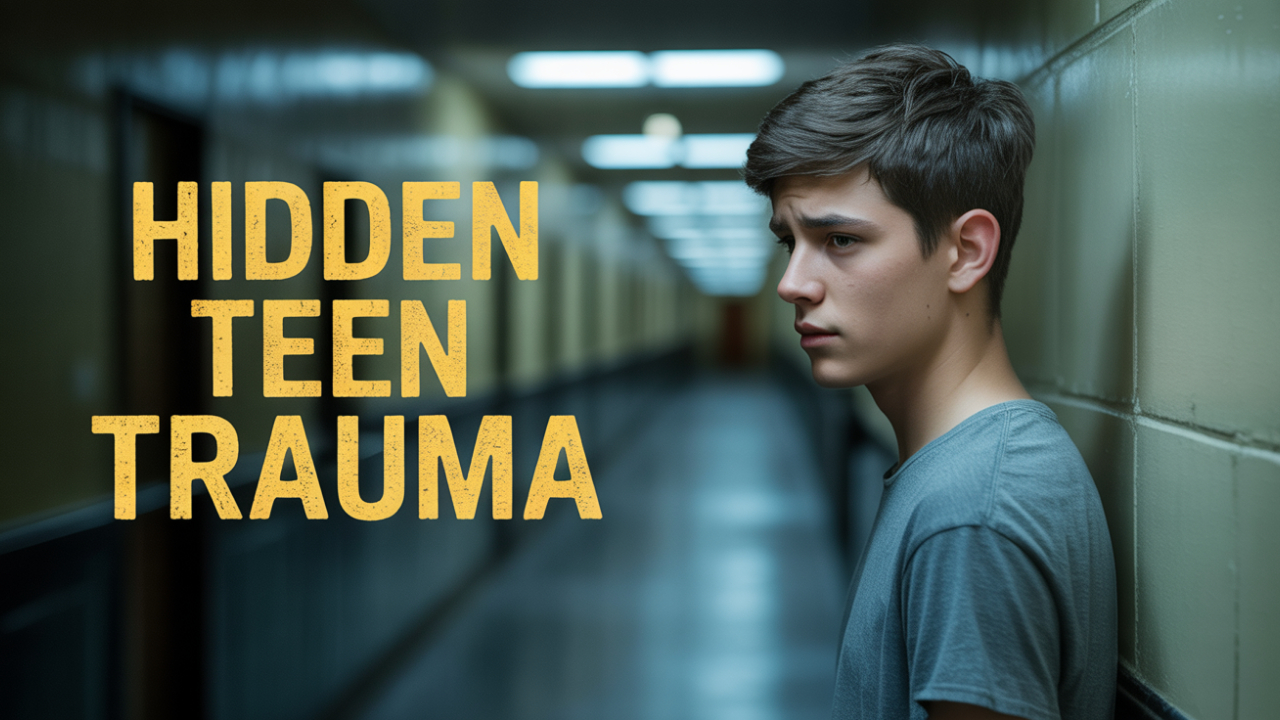

Signs of PTSD in Teens
Post-Traumatic Stress Disorder (PTSD) is not just an adult condition. Teens can develop PTSD after experiencing or witnessing a traumatic event such as abuse, violence, sexual assault, natural disaster, or death. Early signs often appear in their behavior, sleep patterns, and emotional responses.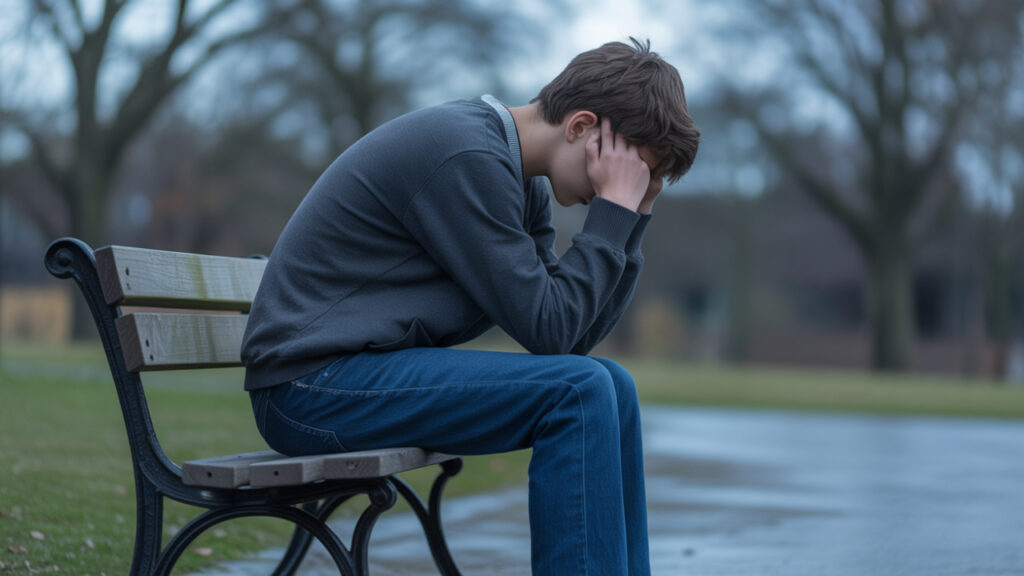
What Causes PTSD in Teens?
PTSD in teens can result from physical injury, sexual abuse, domestic violence, verbal abuse, assault, or neglect. Other causes include natural disasters, accidents, grief, or witnessing a crime. Many teens in foster care or unstable homes face elevated risk due to ongoing trauma and lack of a supportive caregiver.
The Diagnostic and Statistical Manual of Mental Disorders classifies PTSD as a mental health disorder that develops after exposure to trauma. Teenagers with PTSD may relive the experience through flashbacks, nightmares, or intrusive thoughts.
Behavioral Signs of Teen PTSD
Teens may show aggression, avoidance, or sudden mood changes. They may withdraw from family and community, skip school, or engage in substance abuse like alcohol or drug use. Some show irritability or start arguments with a parent or caregiver.
These behavioral shifts are often a coping mechanism. Teens may be trying to escape guilt, shame, or fear related to the trauma. Left unaddressed, this behavior may lead to academic failure, risky actions, or legal trouble.
Emotional Symptoms and Mood Changes
PTSD can shift a teen’s emotions quickly. Sadness, anger, guilt, and shame are common. Some teens may express suicidal ideation or feel emotionally numb.
Hormonal changes in adolescence already affect mood and serotonin levels. Trauma adds another layer, disrupting the brain’s ability to regulate emotion. The amygdala and prefrontal cortex—areas involved in fear and judgment—may show altered activity in PTSD patients.
Anxiety, Hypervigilance, and Arousal
PTSD often includes symptoms of anxiety disorder such as panic attacks, racing thoughts, or constant worry. Teens may appear hypervigilant, scanning for danger even in safe environments. Loud sounds, smells, or voices may trigger fear or a flashback.
This state of arousal affects quality of life. Teens may struggle to relax or sleep. They might also exhibit physical symptoms like increased blood pressure or changes in appetite.
Sleep Problems and Nightmares
Sleep issues are one of the most reported symptoms in teens with PTSD. Nightmares, insomnia, or frequent waking are common. Some teens fear going to sleep to avoid reliving the trauma.
Poor sleep affects brain function, emotion regulation, memory, and physical health. It also raises the risk of developing major depressive disorder or worsening existing mental health conditions.
Flashbacks and Memory Distortion
Flashbacks are vivid, distressing re-experiences of trauma. Teens may freeze, cry, or panic as if the trauma is happening again. This can happen during class, at home, or in public.
PTSD also affects memory. Teens may avoid certain thoughts or struggle to recall events clearly. This mental block is a survival strategy, but it can lead to confusion and emotional distance.
Isolation, Avoidance, and Numbing
Teens with PTSD often avoid anything linked to the trauma—people, places, or even conversations. They may seem “checked out,” emotionally flat, or uninterested in hobbies or relationships.
This emotional numbing is a key sign of PTSD. It reduces distress short-term but increases long-term risk for depression, anxiety, or personality disorder. A mental health professional can help with desensitization and emotional processing.
Self-Destructive and Risky Behavior
Some teens cope with trauma by acting out. This may include reckless driving, unsafe sex, or using alcohol or drugs. Addiction and substance abuse are common among teens who lack healthy coping skills.
These actions may appear rebellious but are rooted in pain, fear, or a desire to feel something. Therapy can help teens learn better ways to manage distress and improve their behavior and mindset.
Guilt, Shame, and Negative Self-Image
Many teens with PTSD blame themselves for what happened. This is especially common after sexual violence, verbal abuse, or childhood trauma. Guilt and shame damage their sense of identity and self-worth.
Negative thoughts can spiral into major depressive disorder or suicidal ideation. A mental health professional must address these feelings early with therapy and evaluation.
PTSD After Sexual or Domestic Violence
Sexual abuse and domestic violence are leading causes of PTSD in teens. These experiences create long-term fear and distrust. Victims may avoid relationships or become fearful of physical contact.
Teens who experience sexual violence often struggle with shame, isolation, and fear of judgment. Trauma-focused therapy, support groups, and services like the Suicide and Crisis Lifeline provide critical support and safety.
PTSD From Natural Disasters and Accidents
Teens who survive a natural disaster or accident may feel fear, sadness, and panic for months. This is known as acute stress reaction, which can develop into PTSD if symptoms persist.
Teens may fear the event happening again, avoid driving, or panic during storms. They may also show strong physical responses like nausea, elevated blood pressure, or trembling. These are signs the brain and body are stuck in trauma mode.
PTSD in Foster Care and Childhood Trauma
Children and teens in foster care often carry trauma from neglect, abuse, or unstable homes. PTSD can form after years of verbal abuse, loss of a parent, or living in constant fear.
These teens may not understand their feelings or know how to ask for help. Early therapy and access to a mental health professional or psychiatry services can help break the cycle of pain and improve long-term mental health.
PTSD and Co-Occurring Conditions
PTSD often occurs with other mental health conditions like anxiety disorder, major depressive disorder, or addiction. This is known as dual diagnosis. A teen with PTSD may also develop an eating disorder, personality disorder, or substance abuse problem.
These overlapping issues make treatment more urgent. A mental health professional or psychiatry expert should evaluate the teen’s full experience, not just isolated symptoms. Addressing PTSD in teenagers as early as possible improves outcomes and reduces the risk of chronic disease and long-term impairment.
Role of Therapy and Mental Health Support
Therapy is the first line of treatment for PTSD in teens. Trauma-focused cognitive behavioral therapy (CBT), dialectical behavior therapy (DBT), and exposure therapy can help desensitize triggers and reframe thoughts. Therapy supports coping, emotion regulation, and skill building.
At Teen Mental Health Facility, we provide individualized therapy, group counseling, and psychiatric services for PTSD and other trauma-related mental health conditions. We work with each patient and their parent or caregiver to address both emotional and behavioral symptoms.
When Medication Is Needed
In some cases, psychiatry may recommend medication. Antidepressants like selective serotonin reuptake inhibitors (SSRIs) help stabilize hormone levels and improve serotonin function in the brain. Medication may reduce anxiety, manage aggression, and support mood balance.
Medication should be used under expert supervision. It is often paired with therapy for the best results. Teens receiving psychiatric treatment often show major improvement in emotion regulation and overall quality of life.
How Parents and Caregivers Can Help
If you suspect your teen is struggling with PTSD, take them seriously. Validate their feelings and avoid pushing for details. Build trust before encouraging them to meet with a mental health professional.
Stay involved with their care team, including therapists, psychiatrists, and nursing staff. Ask about insurance coverage and treatment options. Encourage self-care practices like exercise and sleep, and offer your support without judgment.
Supporting Teens Through PTSD Recovery
Recovery from PTSD is possible. With the right care plan, teens can feel safe, regulate emotion, and rebuild trust in others. A combination of therapy, psychiatry, social support, and education helps reduce symptoms and prevent relapse.
At Teen Mental Health Facility, our team of experts is dedicated to helping teens overcome trauma. We work with families, caregivers, and the community to make sure every teen receives the information, attention, and professional help they need.
FAQs
1. Can PTSD in teens go away on its own without treatment?
PTSD symptoms may improve over time, but untreated trauma can lead to long-term mental health issues. Professional therapy is often necessary for full recovery.
2. What is the difference between PTSD and acute stress reaction?
Acute stress reaction occurs shortly after a traumatic event and usually fades within weeks. PTSD lasts longer and includes more persistent and severe symptoms.
3. How can I talk to my teen about their trauma if they avoid the topic?
Start by creating a safe and supportive environment. Let them know they’re not alone and suggest speaking with a mental health professional.
4. Are there support groups for teens with PTSD?
Yes, many facilities offer teen-focused support groups. These groups help teens connect with others who understand their feelings and experiences.
Sources used
National Institute of Mental Health (NIMH) – Provides an overview of PTSD symptoms, diagnosis, treatment, and adolescent mental health.
https://www.nimh.nih.gov/health/topics/post-traumatic-stress-disorder-ptsdAmerican Academy of Child and Adolescent Psychiatry (AACAP) – Offers information about trauma and PTSD in children and teenagers.
https://www.aacap.org/AACAP/Families_and_Youth/Facts_for_Families/FFF-Guide/Childhood-Trauma-and-Its-Effect-No-13.aspxSubstance Abuse and Mental Health Services Administration (SAMHSA) – Includes detailed data on trauma, PTSD, substance abuse, and co-occurring disorders.
https://www.samhsa.gov/mental-healthCenters for Disease Control and Prevention (CDC) – Provides public health data on childhood trauma, Adverse Childhood Experiences (ACEs), and mental health outcomes.
https://www.cdc.gov/violenceprevention/aces/index.htmlU.S. Department of Veterans Affairs – PTSD: National Center for PTSD – Contains clinical guidance, research findings, and symptom descriptions applicable to youth and adults.
https://www.ptsd.va.gov/Child Mind Institute – Explains PTSD symptoms in children and teens, treatments like CBT and medication, and tips for parents and caregivers.
https://childmind.org/guide/ptsd-in-children/National Child Traumatic Stress Network (NCTSN) – Offers professional resources, trauma education, and family guidance for PTSD in young people.
https://www.nctsn.org/Mayo Clinic – Discusses causes, risk factors, brain changes, and treatments for PTSD and mental health conditions in teens and adults.
https://www.mayoclinic.org/diseases-conditions/post-traumatic-stress-disorder/symptoms-causes/syc-20355967