


Teens Dating With PTSD
Introduction
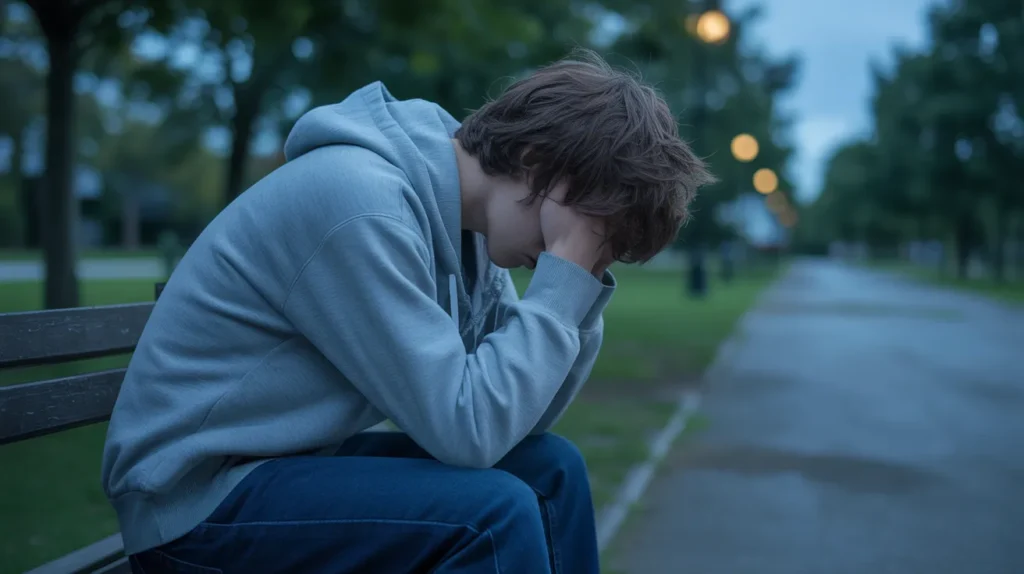
Teens living with post-traumatic stress disorder (PTSD) face unique challenges in relationships. Trauma from abuse, sexual violence, assault, or harassment can shape how they see intimacy, trust, and safety. When dating, teens with PTSD may struggle with fear, stress, and mood changes that affect their ability to form healthy bonds.
Research shows that youth exposed to childhood abuse or domestic violence carry higher risk factors for PTSD and related mental health struggles. Many teens feel shame or intimidation when talking about past trauma, which makes dating even harder. By understanding these struggles, parents, partners, and mental health professionals can create safer environments for recovery and empowerment.
Understanding PTSD in Teens and Relationships
PTSD is a mental disorder that develops after trauma such as sexual abuse, physical injury, dating violence, or emotional manipulation. Teens with PTSD often face anxiety, depression, suicidal ideation, and struggles with consent and boundaries.
In an intimate relationship, triggers may arise from jealousy, aggression, or verbal abuse, leaving the teen feeling unsafe. Victims may also fear losing control, which fuels avoidance of close connections. Psychology research highlights that untreated PTSD can make teens vulnerable to relationship violence and unhealthy coping habits like alcohol or substance abuse.
Risk Factors for PTSD in Teen Dating
Youth who survive childhood abuse or exposure to intimate partner violence within the family have higher risks of PTSD in dating. Risk factors also include low confidence, history of sexual violence, and past exposure to domestic violence or harassment.
Statistics reveal that teen girls are more likely than boys to experience sexual abuse, but all victims can suffer. Without mental health treatment, trauma can increase stress levels, fueling aggression, shame, and fear in intimate partner situations. Parents and adults should recognize that PTSD in teens is not weakness but a health condition shaped by trauma.
How PTSD Affects Intimate Relationships
PTSD can make dating feel unsafe or overwhelming. Triggers can come from emotional cues, certain moods, or reminders of abuse. A partner’s words or actions—sometimes even unintended—may spark flashbacks or fear.
This stress can impact trust, consent, and communication, creating tension between partners. Without support, teens may withdraw, experience suicidal ideation, or cope with alcohol and drugs. Empowerment through therapy and education can help teens regain control over their relationships and mental health.
The Role of Abuse and Relationship Violence
Abuse during dating can intensify PTSD symptoms. Relationship violence may appear as physical aggression, verbal abuse, intimidation, or manipulation. Emotional harm, like control and harassment, is as damaging as physical assault.
Victims of dating violence often fear speaking out, but prevention programs and hotline services exist to protect them. The National Domestic Violence Hotline offers confidential support for victims, including youth and teens who feel trapped in unsafe relationships. Creating awareness reduces the stigma and shame that keeps many victims silent.
Coping with PTSD in Teen Dating
Coping strategies are vital for teens with PTSD who want to build healthy intimate relationships. Therapy with a mental health professional allows teens to process trauma, reduce anxiety, and learn empowerment skills.
Healthy coping may include setting boundaries, practicing consent, and building confidence in safe spaces. Teens should also avoid unhealthy coping mechanisms like alcohol or substance abuse, which increase risk of further harm. Parents and family can support youth by encouraging open conversations without judgment or intimidation.
Helping Friends or Family with PTSD Outside Dating
PTSD does not only affect intimate relationships—it impacts friendships and family life too. Teens with PTSD may isolate themselves or show aggression when feeling unsafe. Friends and siblings can help by offering a safe space where the teen feels respected and heard.
Parents can play a major role by keeping communication open without pressure. Avoiding intimidation, judgment, or manipulation helps reduce shame. Encouraging therapy and connecting with a hotline for support can guide families through difficult moments.

Self-Diagnosis, Misdiagnosis, and Treatment Options
Teens may try self-diagnosis when experiencing stress, fear, or mood swings, but this can be risky. Symptoms of PTSD can overlap with anxiety, depression, or other mental health diseases, leading to misdiagnosis. Only a qualified mental health professional can confirm PTSD through proper evaluation.
Treatment options vary depending on symptoms and risks. Therapy, psychiatry, and in some cases antidepressant medication may be recommended. Alternatives without medication include trauma-focused therapy, coping skills training, and prevention programs that reduce risk factors linked to relationship violence and substance abuse.
The Impact of PTSD on Emotional Well-Being
PTSD affects mood, emotions, and self-esteem. Victims may struggle with shame, fear, and aggression in intimate partner settings. Emotional wounds from abuse or sexual violence often create long-term stress and difficulty trusting others.
Psychology research shows that untreated trauma can lead to suicidal ideation, depression, and other mental health diseases. Teens may feel unsafe in adult-like intimate relationships, fearing control or manipulation. Mental health treatment provides a safe space to rebuild emotional resilience.
Prevention and Public Health Approaches
Prevention of teen dating violence and PTSD is a public health priority. Policies promoting awareness, education, and safe spaces reduce risk factors for trauma. Schools, community programs, and parents play key roles in teaching consent, respect, and healthy coping.
Statistics from prevention research highlight the importance of early intervention. Providing hotline numbers, resources, and therapy connections reduces victim isolation. Public health efforts also focus on reducing alcohol-related risks, as substance abuse often increases aggression and relationship violence.
Support for Victims and Families
Victims of trauma need consistent support from family, parents, and communities. A safe space allows teens to share fears without judgment. Empowerment grows when victims feel understood rather than controlled.
Families can contact the National Domestic Violence Hotline for resources and safety planning. Teens who have started mental health treatment often report higher confidence and reduced suicidal ideation. With strong family and community support, recovery from trauma is possible.
The Role of Therapy and Psychiatry
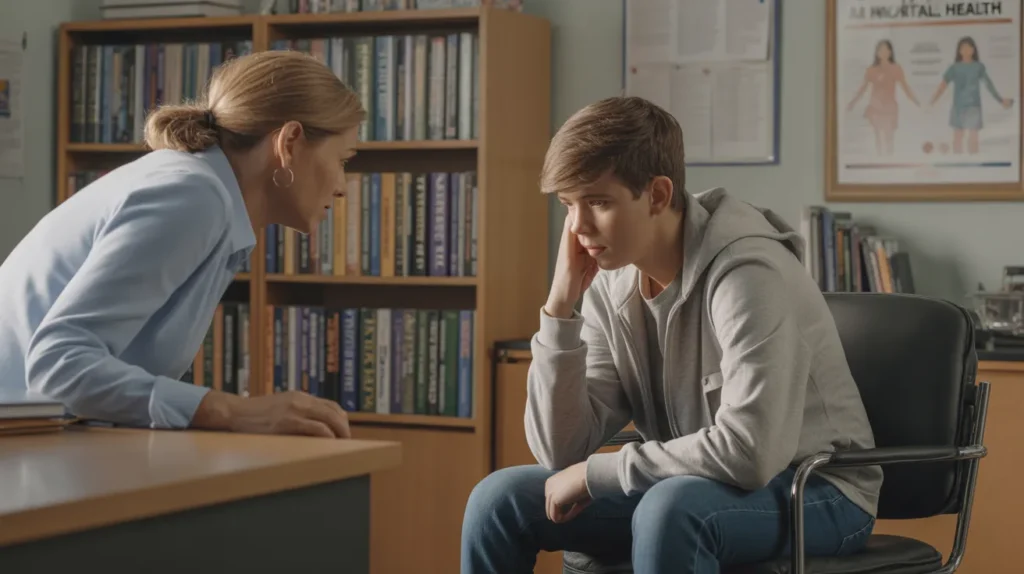
Therapy and psychiatry provide vital mental health treatment for teens with PTSD. A mental health professional can guide coping strategies, manage stress, and treat anxiety or major depressive disorder linked to trauma.
Therapy empowers victims by addressing shame, teaching consent, and rebuilding confidence. Psychiatry may include antidepressant prescriptions when symptoms affect daily health. Combining therapy with family support reduces the risk of aggression, manipulation, and further relationship violence.
Options Without Medication
Not all teens want medication for PTSD. Options without antidepressants include trauma-focused therapy, support groups, and empowerment programs. These approaches help teens process abuse and regain confidence.
Healthy lifestyle choices like exercise, mindfulness, and stress management can reduce symptoms. Creating safe spaces for teens to share feelings also builds resilience. Prevention efforts encourage youth to strengthen coping strategies without relying on alcohol or unhealthy habits.
How Teen Mental Health Facility Can Help
At Teen Mental Health Facility, we provide specialized mental health treatment for youth facing PTSD, abuse, and relationship violence. Our programs give teens a safe space to heal while building confidence and coping skills.
We offer therapy, psychiatry, and family-based support tailored to each teen’s needs. Whether addressing stress, suicidal ideation, or substance abuse risks, our mental health professionals guide youth toward empowerment and healthier relationships. Teens and families are never alone in recovery.
Empowerment and Recovery
Empowerment is the key to recovery from PTSD in dating. Teens deserve healthy, respectful relationships built on consent and trust. With proper support, victims can rebuild their sense of safety and confidence.
Healing requires both prevention and treatment. When families, schools, and public health systems unite, teens gain access to therapy, safe spaces, and hotline support. Recovery is possible, and every teen has the right to feel safe in an intimate relationship.
Final Thoughts
Teens dating with PTSD often face unique risks involving abuse, aggression, and relationship violence. But with early prevention, support from parents, and professional treatment, victims can heal and build healthy bonds.
Empowerment grows when teens feel safe, respected, and understood. With access to therapy, public health resources, and the National Domestic Violence Hotline, recovery is within reach for every teen who has been hurt by trauma.
FAQs
1. Can PTSD increase the chance of unhealthy dating patterns?
Yes, untreated PTSD can make teens more vulnerable to unhealthy relationships, often due to fear, shame, or manipulation.
2. How can peers help prevent relationship violence for teens with PTSD?
Friends can offer safe spaces, support prevention programs, and encourage professional therapy instead of ignoring warning signs.
3. Do all teens with PTSD need medication?
No, many benefit from therapy and coping strategies without medication. Only a mental health professional can decide if antidepressants are necessary.
4. Is PTSD in teens a long-term disease?
PTSD can last into adulthood if untreated, but with proper therapy, prevention strategies, and family support, symptoms often improve significantly.
Sources
- National Domestic Violence Hotline – Resources on dating violence and prevention. https://www.thehotline.org/
- Centers for Disease Control and Prevention (CDC) – Teen dating violence facts and public health approaches. https://www.cdc.gov/violenceprevention/intimatepartnerviolence/teendatingviolence/index.html
- American Psychological Association – PTSD in adolescents and its impact on relationships. https://www.apa.org/
- National Institute of Mental Health (NIMH) – Research on PTSD and mental health treatment. https://www.nimh.nih.gov/