
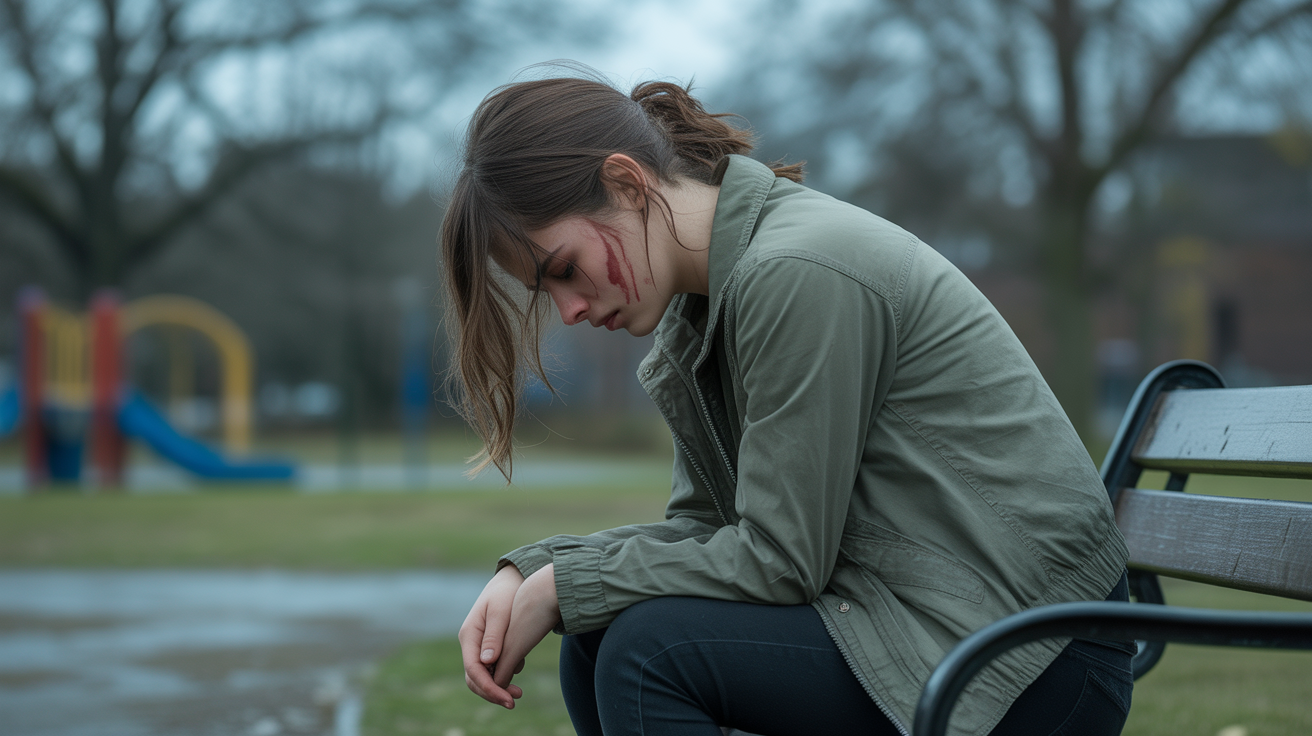

Difference Between PTSD and CPTSD
Understanding PTSD and CPTSD
Post-Traumatic Stress Disorder (PTSD) and Complex Post-Traumatic Stress Disorder (CPTSD) are conditions linked to trauma. Both affect memory, emotion, and cognition. The difference lies in the type of trauma, duration, and how symptoms shape behavior and mental health.
PTSD often develops after a single event like an accident, assault, or natural disaster. CPTSD usually stems from long-term trauma such as childhood neglect, domestic violence, or torture. Understanding these conditions requires attention to psychology, health, and lived experience.
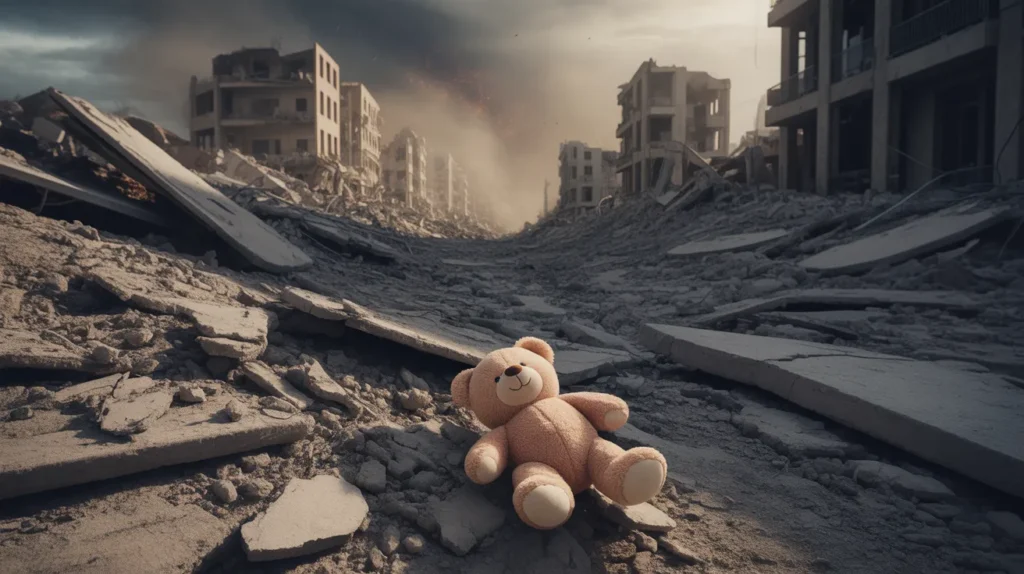
Core Features of PTSD
PTSD involves flashback episodes, nightmares, and hyperarousal. A teen may relive the trauma with intense fear and stress. This disrupts daily mood, sleep, and memory.
Symptoms can include irritability, insomnia, and difficulty concentrating. A mental health professional may identify avoidance behavior, where the person avoids reminders of the trauma. These experiences are tied to changes in the brain, including overactivation of the amygdala and reduced activity in the prefrontal cortex.
Common Triggers
- Car accident or injury
- Physical assault or violence
- Natural disasters
- Military combat
- Witnessing traumatic events
Defining CPTSD
CPTSD includes all symptoms of PTSD but adds deeper emotional dysregulation. Teens may struggle with shame, guilt, sadness, and anger. Emotional numbness and dissociation, such as derealization or depersonalization, are common.
CPTSD often results from childhood trauma, long-term abuse, or repeated abandonment. These patterns can change thought processes, affect mood, and shape personality development. Research links CPTSD to more severe difficulties in trust, faith, and relationships.
Common Causes
- Chronic childhood neglect
- Repeated domestic violence
- Prolonged captivity or torture
- Ongoing emotional or physical abuse
- Long-term abandonment
Key Differences Between PTSD and CPTSD
The main difference between PTSD and CPTSD lies in trauma exposure. PTSD is tied to a single shocking event. CPTSD develops after repeated trauma over years.
CPTSD often overlaps with personality disorders such as borderline personality disorder. Teens may display aggression, self-blame, or distorted self-perception. This distinction is crucial for correct diagnosis, therapy, and medication options.

Emotional Dysregulation in CPTSD
CPTSD involves stronger problems with emotional control. A teen may experience mood swings, aggression, and constant irritability. This makes coping with stress harder than with PTSD alone.
Therapy focuses on building healthy coping skills. Desensitization techniques and structured support can reduce emotional intensity. A mental health professional can guide progress in reducing shame and guilt while improving emotional stability.
PTSD and CPTSD in the Brain
PTSD and CPTSD both affect the brain but in different ways. PTSD usually activates the amygdala more strongly, producing fear and arousal. CPTSD impacts both the amygdala and prefrontal cortex, reducing self-control and increasing dissociation.
Research shows long-term trauma changes memory storage and cognition. Teens with CPTSD may have difficulty processing information or regulating thought patterns. Systematic review studies link CPTSD to structural and chemical changes that increase anxiety and depression.
Causes of PTSD and CPTSD in Teens
For teens, PTSD may come from a single traumatic experience such as a serious accident, a violent assault, or exposure to community violence. These events can overwhelm the brain’s ability to process fear and memory, leading to long-term stress responses. The intensity of the event often determines how strongly symptoms develop.
CPTSD in teens usually stems from ongoing trauma such as childhood neglect, domestic violence at home, or repeated abuse. These experiences can damage trust, disrupt attachment, and cause emotional dysregulation. Without therapy, the effects of abandonment and chronic fear can shape behavior into adulthood.
Dual Diagnosis
Many teens with PTSD or CPTSD also struggle with substance abuse, depression, or anxiety disorders. This is called dual diagnosis, where a trauma disorder exists alongside another mental health condition. The combination often makes symptoms worse and treatment more challenging.
A mental health professional must address both conditions together for effective recovery. Therapy, medication, and structured coping strategies help reduce stress while limiting reliance on alcohol or drugs. At Teen Mental Health Facility, we specialize in dual diagnosis care to support teens facing overlapping challenges.
Diagnosis and Assessment
Diagnosis requires careful evaluation by a health professional. Symptoms can overlap with depression, anxiety, or borderline personality disorder. Misdiagnosis is common if trauma history is not fully explored.
Psychiatry and psychology use structured interviews and assessment tools. Teens may describe flashback experiences, nightmares, and feelings of derealization. A clear diagnosis ensures that treatment options such as therapy or medication are used effectively.

The Role of Therapy
Therapy is central to treatment for PTSD and CPTSD. Cognitive-behavioral therapy helps teens reframe negative thought patterns. Desensitization and reprocessing techniques can lower arousal and fear.
For CPTSD, therapy often focuses on building emotional regulation. This includes coping strategies for anger, shame, and sadness. A mental health professional may recommend group therapy to improve trust and reduce feelings of abandonment.
Medication and Other Interventions
Medication can reduce symptoms of depression, anxiety, and insomnia. Selective serotonin reuptake inhibitors are often prescribed. For CPTSD, medication may help stabilize mood while therapy addresses deeper emotional dysregulation.
Substance abuse may complicate treatment. Teens may try alcohol or drugs to numb their pain, but this worsens health outcomes. A psychiatry team can provide integrated care to address both trauma and substance abuse.
Impact of Childhood Trauma
Childhood trauma strongly influences CPTSD development. Repeated neglect, abuse, or exposure to domestic violence leaves deep scars. These experiences affect personality formation, behavior, and emotional growth.
Teens with CPTSD may struggle with faith in others, fear of abandonment, and unstable mood. Without support, they risk depression, aggression, or even personality disorder traits. Early therapy helps prevent long-term damage to mental health.
Coping and Recovery
Recovery is possible with structured support. Coping skills include mindfulness, grounding techniques, and healthy routines. These reduce arousal, fear, and emotional overwhelm.
A health professional can guide teens through safe exposure, memory processing, and building confidence. With therapy, teens learn to regulate thought, affect, and behavior. Over time, stress symptoms lessen and mood improves.
Teen Mental Health Facility Can Help
At Teen Mental Health Facility, we understand how PTSD and CPTSD affect teens and families. Our team of health professionals creates individualized therapy plans. We focus on restoring safety, building coping skills, and strengthening mental health.
We also provide support for related challenges such as substance abuse, depression, and anxiety. Through therapy, medication management, and psychiatry, teens find a path to healing. Families are included in care to rebuild trust, improve communication, and support long-term recovery.
Research and Future Directions
Research continues to explore the difference between PTSD and CPTSD. Systematic review studies highlight how ongoing trauma changes brain function. Understanding these changes helps improve therapy and medication strategies.
Psychology and psychiatry now focus on trauma-informed care. This approach respects each teen’s experience and emotional needs. With new information, mental health professionals can offer more effective treatment for trauma disorders.
Final Thoughts
The difference between PTSD and CPTSD is rooted in trauma type and symptom severity. PTSD often follows a single traumatic accident or event. CPTSD develops after long-term abuse, neglect, or violence.
Both conditions require early diagnosis, therapy, and professional support. With treatment, coping strategies, and guidance from mental health professionals, teens can overcome fear, shame, and sadness. Recovery restores health, faith, and a stronger sense of self.
FAQs
What is the difference between CPTSD and borderline personality disorder?
CPTSD comes from long-term trauma, while borderline personality disorder is a personality disorder involving unstable mood and behavior. The two can overlap, but their causes differ.
Can PTSD or CPTSD cause physical health problems?
Yes, both conditions increase stress levels, which affect heart health, immune function, and sleep. This makes regular medical care important.
How do nightmares differ in PTSD and CPTSD?
In PTSD, nightmares usually replay the traumatic event. In CPTSD, nightmares may mix trauma themes with feelings of abandonment, shame, or fear.
Can CPTSD improve without medication?
Yes, therapy can help reduce symptoms even without medication. However, some teens benefit from combining therapy with medication for better results.
Key Sources
Prefrontal Cortex, Amygdala, and Threat Processing: Implications for PTSD — Neuropsychopharmacology (2021)
Explains how overactivation of the amygdala and reduced prefrontal activity contribute to PTSD symptoms.Neuroimaging Research in PTSD: Focus on Amygdala, Hippocampus, and Prefrontal Cortex — Neuroscience & Biobehavioral Reviews
Provides evidence of brain structure and function changes in PTSD patients.Post-Traumatic Stress Disorder: The Role of the Amygdala and Potential Therapeutic Interventions — Frontiers in Psychiatry (2024)
Discusses amygdala involvement in PTSD and reviews therapy-focused treatment approaches.Does Trauma-Focused Psychotherapy Change the Brain? A Systematic Review — European Journal of Psychotraumatology
Reviews how therapy and desensitization techniques alter brain activity and reduce PTSD symptoms.