
Group Therapy Activities For Teens
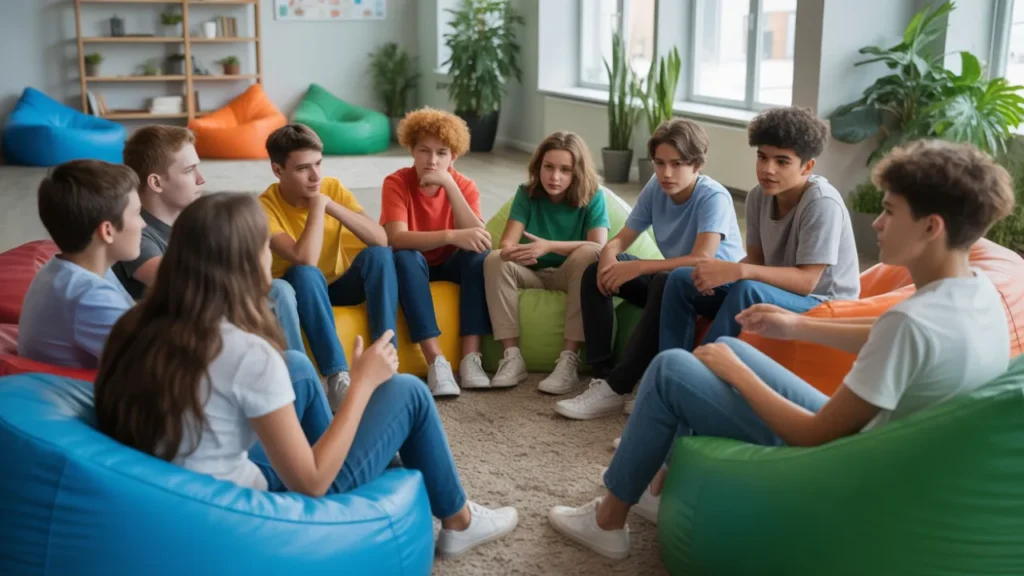
Teens join groups to feel seen and to practice new skills. The right plan turns therapy into action that supports mental health and behavior change. This guide shares clear, ready-to-run activities you can use today.
At Teen Mental Health Facility, groups run under psychology, psychiatry, nursing, and social work oversight. A mental health professional guides each patient through practices that build coping, stress management, and confidence. Every session reinforces a safe space and unconditional positive regard.
Benefits Of Group Therapy For Teen Mental Health
Group sessions lower anxiety and stress through structure and peer support. Teens learn social skills and problem solving in real time. Activities enable learning and personal development that sticks.
Our clinicians link each activity to a clear goal. We set outcomes for attention, motivation, and behavior shifts. Measurable wins build momentum and identity growth.
The Core Outcomes Teens Care About Most
Teens want fewer panic spikes and better focus. They want stronger friendships and less conflict. They also want quick tools that work at school and at home.
We target four outcomes in every plan. Calm the body, organize the mind, connect with peers, and take action on goals. These pillars drive healing and progress.
How We Structure Sessions At Teen Mental Health Facility
Each 60–90 minute group follows a steady arc. We open with a check-in and a short relaxation technique. We close with takeaways, gratitude, and a clear next step.
Psychiatry reviews safety, medications, and mood patterns when needed. Nursing watches energy, sleep, and any medical concerns during exercise or yoga. Social work aligns education, family, and community supports.
Group Agreements That Keep Teens Safe And Engaged
We speak with respect and practice active listening. We use names, eye contact, and simple reflections. We protect privacy and use nonverbal communication that signals safety.
We frame feedback with empathy and curiosity. We model unconditional positive regard without judgment. These agreements create a reliable safe space.
Activities That Build Calm And Focus
Teens relax faster when they start with the body. Breathing and progressive muscle relaxation reduce stress in minutes. Meditation builds awareness and steadies attention.
We use short, repeatable drills. Teens learn them once and reuse them before tests or games. Calm skills support learning and behavior change.
Mindful Breathing And Progressive Muscle Relaxation
Goal: Lower anxiety and boost attention in under ten minutes.
Steps: Inhale for four, hold for two, exhale for six, repeat for two minutes. Then scan the body with progressive muscle relaxation from feet to face. Finish with one sentence on current stress level.
Why It Works: Breathing cues the nervous system to slow down. Muscle release reduces physical tension that fuels anger and sadness. Teens leave with a portable relaxation technique.
Pro Tip: Pair breathing with a simple symbol like a dot on the wristband. The symbol reminds teens to use the skill during class. This small cue can enable real-time coping.
Meditation Minutes For Attention And Awareness
Goal: Improve focus and awareness between activities.
Steps: Set a three-minute timer. Guide teens to notice breath, sounds, and thoughts, then return to breath.
Why It Works: Short practice fits teen attention spans. It builds the habit without pressure. Over time, attention improves and reactivity drops.
Activities That Teach Coping And Stress Management
When stress spikes, teens need quick actions. DBT skills give a clear map. We place these practices early in the session to anchor behavior.
Teens rehearse skills in pairs, then in a circle. Repetition drives confidence. The goal is automatic coping under pressure.
DBT Skills Circle: STOP And TIP
Goal: Interrupt impulsive behavior fast.
Steps: Teach STOP (Stop, Take a breath, Observe, Proceed). Add TIP (Temperature, Intense exercise, Paced breathing). Role-play a real school stressor.
Why It Works: Dialectical behavior therapy breaks a surge into small moves. Teens act on a plan, not a feeling. This supports anger control and stress management.
Pro Tip: Keep a cold pack on hand for the T in TIP. Nursing can supervise and ensure safe use. Teens experience how fast physiology can shift.

Stress Thermometer And Relaxation Practice
Goal: Track stress and pick a matching skill.
Steps: Teens rate stress 0–10. At 3, choose breathing; at 6, choose PMR; at 8, choose exercise or cold water hold.
Why It Works: Matching skill to level improves success. Teens learn to read early signals. That awareness prevents meltdowns.
Activities That Build Social Skills And Empathy
Peer work improves listening and respect. Teens practice both words and body cues. The structure reduces conflict and boosts connection.
We keep tasks short and specific. Clear roles reduce awkward pauses. The payoff is better friendships and fewer blowups.
Active Listening Relay And Nonverbal Signal Game
Goal: Upgrade listening and nonverbal communication.
Steps: Pairs share for one minute on a prompt, switch roles, then reflect back three details. In a circle, pass a message through gestures only, then debrief.
Why It Works: Teens notice how much body language carries. They learn to mirror, nod, and pace speech. Empathy grows through accurate reflections.
Pro Tip: Add a “listening token” to prevent interruptions. The speaker holds it; the listener earns it by summarizing. This simple practice improves turn-taking.
Conflict Resolution Role-Plays And Anger Tools
Goal: Replace arguments with problem solving moves.
Steps: Teach I-statements and a three-option plan (compromise, delay, or get help). Run brief skits on locker disputes or text misunderstandings.
Why It Works: Teens need scripts when anger rises. Short lines beat long lectures. Anger management improves with practice and feedback.
Activities That Boost Identity, Motivation, And Confidence
Teens grow when they see a future they believe. They need wins and a path. We link identity to daily actions.
Each patient sets one small goal per week. We celebrate progress and reframe setbacks. Confidence builds through visible steps.
Future Self Letter, Goal Map, And Education Plan
Goal: Connect today’s choices to a clear future self.
Steps: Teens write a one-page letter from their future self. They map one goal for school, one for health, and one for relationships.
Why It Works: Visualization fuels motivation. A simple education plan shows how learning supports the vision. Teens pick one action to try before the next session.
Pro Tip: Add a peer witness who signs the plan. Community support increases follow-through. Small social pressure can help momentum.
Gratitude Wall And Strengths Circle
Goal: Shift attention from problems to strengths.
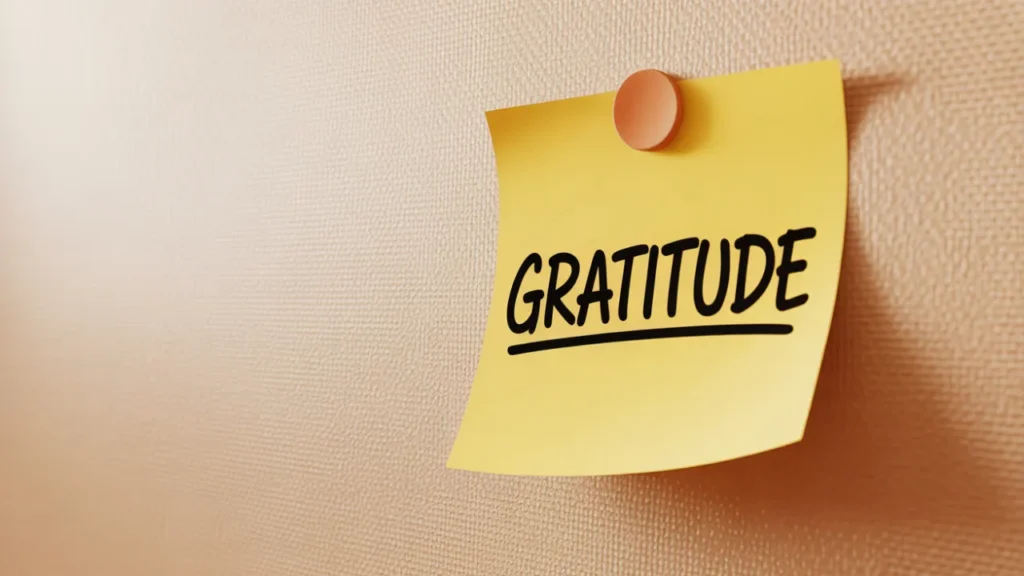
Steps: Each teen adds two sticky notes to a gratitude wall. In a circle, peers name one strength they see in each other.
Why It Works: Gratitude lifts mood and lowers sadness. Strength spotting improves identity and confidence. The wall becomes a visual record of growth.
Activities For Creativity, Grief, And Healing
Art opens doors words cannot. Symbols carry meaning that teens can shape. Storytelling organizes emotional memory.
We pair art with gentle prompts. The aim is expression, not perfection. Healing starts when feelings have form.
Art Therapy Stations: Symbols, Stories, And Moods
Goal: Express feelings through art, not debate.
Steps: Set three stations: color your mood, create a personal symbol, and storyboard a tough day. Offer markers, clay, and collage.
Why It Works: Art therapy engages creativity and choice. Teens express anger, grief, and anxiety safely. Stories help organize events into meaning.
Pro Tip: Invite a brief share with time limits. Keep comments supportive and specific. This protects the safe space and keeps energy steady.
Grief Share And Sadness Support Ritual
Goal: Honor loss and build community care.
Steps: Teens name who or what they miss, then place a token on a table. The group offers one sentence of support per person.
Why It Works: Ritual validates grief without fixing it. Community presence reduces loneliness. Simple words carry empathy.
Activities For Problem Solving And Learning
Teens need fast tools for daily choices. We teach them to think in options, not all-or-nothing. That shift reduces stress and improves outcomes.
Each lab ends with a clear decision. Teens track what worked. Learning continues between sessions.
Brainstorming Lab And Decision Matrix
Goal: Generate options and pick a best fit.
Steps: Run a two-minute brainstorming burst with no judgment. Score each option by effort, impact, and time, then choose.
Why It Works: Brainstorming frees creativity. A simple matrix turns ideas into action. Teens see how problem solving can be quick and fair.
Pro Tip: Assign a “devil’s advocate” kindly. This builds awareness of risks without killing motivation. Respectful challenge improves plans.
Team Challenges With Exercise And Yoga Bursts
Goal: Use movement to reset and connect.
Steps: Rotate through 30-second exercise moves, then a one-minute yoga pose. Solve a small puzzle after each round.
Why It Works: Exercise lowers stress fast. Yoga adds balance and relaxation. Teams learn to coordinate under pressure.
Adapting Activities For ADHD And Bipolar Disorder
We adjust pacing for attention deficit hyperactivity disorder. We use short tasks, clear timers, and frequent resets. Visual cues help attention stay on track.
For bipolar disorder, we watch energy and sleep patterns. Psychiatry and nursing coordinate on safety and rhythm. We match activities to current mood and capacity.
Nursing And Psychiatry Guidance That Enables Progress
Nursing monitors hydration, medication timing, and physical readiness. Psychiatry aligns skills with symptom targets and season trends. This clinical teamwork enables safe gains.
We collect brief data from each activity. We note stress levels, focus, and mood shifts. These notes inform adjustments without delay.
Measuring Progress And Keeping Momentum
We track three signals weekly: skill use, mood ratings, and peer connection. We keep the scale simple and visible. Teens own their numbers and choices.
We reward practice, not perfection. Small wins compound over time. The process stays clear and kind.
What Success Looks Like Over Time
Week one shows better language for needs. Teens use I-statements and breathing more often. Conflicts shorten and resolve faster.
By one month, anxiety dips on average. Social skills improve, and confidence rises. Teens start sharing skills with friends.
How Teen Mental Health Facility Can Help Right Now
Our groups run after school and on weekends. We cover coping skills, DBT, art therapy, meditation, yoga, and PMR. A mental health professional leads each session.
We welcome referrals from psychology, psychiatry, and social work partners. We coordinate with schools to support education goals. Your teen will practice skills in a steady safe space.
Programs You Can Start This Month
Join a DBT skills circle for stress management. Try art therapy for expression and storytelling. Add a Saturday group focused on anger management and conflict resolution.
Schedule an intake to match your teen’s needs. We will set a clear plan and goal for the first four weeks. Contact Teen Mental Health Facility to get started.
FAQs
- How many teens join each group and how long is a session?
Groups usually include 6–10 teens for strong interaction. Sessions run 60–90 minutes based on the activity plan. We keep timing consistent for safety and learning. - Can a teen join if they have no previous therapy experience?
Yes, beginners fit well in skills-focused groups. We teach each practice in simple steps. Teens build comfort before trying harder drills. - How do you handle safety concerns during activities?
We screen before group and monitor live. Nursing and psychiatry support when needed. We pause or modify any exercise that raises risk. - What can families expect between sessions?
Teens receive one home practice with clear steps. We share brief progress notes and a simple tracker. Families can support with reminders and praise.
Sources
- Linehan — DBT Skills Training Handouts & Worksheets (Guilford)
https://www.guilford.com/books/DBT-Skills-Training-Handouts-and-Worksheets/Marsha-Linehan/9781462556342 - Linehan — DBT Skills Training Manual, Second Edition (Guilford)
https://www.guilford.com/books/DBT-Skills-Training-Manual/Marsha-Linehan/9781462516995 - Rathus & Miller — DBT Skills Manual for Adolescents (Guilford)
https://www.guilford.com/books/DBT-Skills-Manual-for-Adolescents/Rathus-Miller/9781462515356 - Therapist Aid — DBT TIPP Skills (Temperature, Intense Exercise, Paced Breathing, PMR)
https://www.therapistaid.com/therapy-worksheet/dbt-tipp - CDC — School Connectedness Helps Students Thrive
https://www.cdc.gov/youth-behavior/school-connectedness/index.html - CDC — Enhance Connectedness Among Students, Staff, and Families (Action Guide)
https://www.cdc.gov/mental-health-action-guide/strategies/enhance-connectedness.html - AACAP — ADHD Parents’ Medication Guide (PDF)
https://www.aacap.org/App_Themes/AACAP/docs/resource_centers/resources/med_guides/ADHD_Medication_Guide-web.pdf - AACAP — Practice Parameter: Bipolar Disorder in Children & Adolescents (PDF)
https://www.aacap.org/App_Themes/AACAP/docs/practice_parameters/JAACAP_Bipolar_2007.pdf - JAMA Pediatrics (2023) — Meta-analysis: Physical Activity Interventions & Depressive Symptoms in Youth
https://jamanetwork.com/journals/jamapediatrics/fullarticle/2799811 - BMJ (2024) — Network Meta-analysis: Exercise vs Psychotherapy/Antidepressants for Depression
https://www.bmj.com/content/384/bmj-2023-075847 - MDPI Healthcare (2021) — School-Based Progressive Muscle Relaxation in Female Adolescents
https://www.mdpi.com/2227-9032/9/10/1319 - Frontiers in Psychology (2020) — Art Therapy for Psychosocial Problems in Children & Adolescents (Review)
https://www.frontiersin.org/articles/10.3389/fpsyg.2020.584685/full - OJJDP (U.S. DOJ) — Conflict Resolution Education: A Guide… (Youth Programs)
https://ojjdp.ojp.gov/library/publications/conflict-resolution-education-guide-implementing-programs-schools-youth - University of Florida IFAS — Active Listening: A Communication Tool (PDF)
https://ufdcimages.uflib.ufl.edu/IR/00/00/26/02/00001/HE36100.pdf - Froh, Sefick, & Emmons (2008) — “Counting Blessings in Early Adolescents” (Gratitude RCT, PDF)
https://greatergood.berkeley.edu/pdfs/GratitudePDFs/3Froh-BlessingsEarlyAdolescence.pdf