
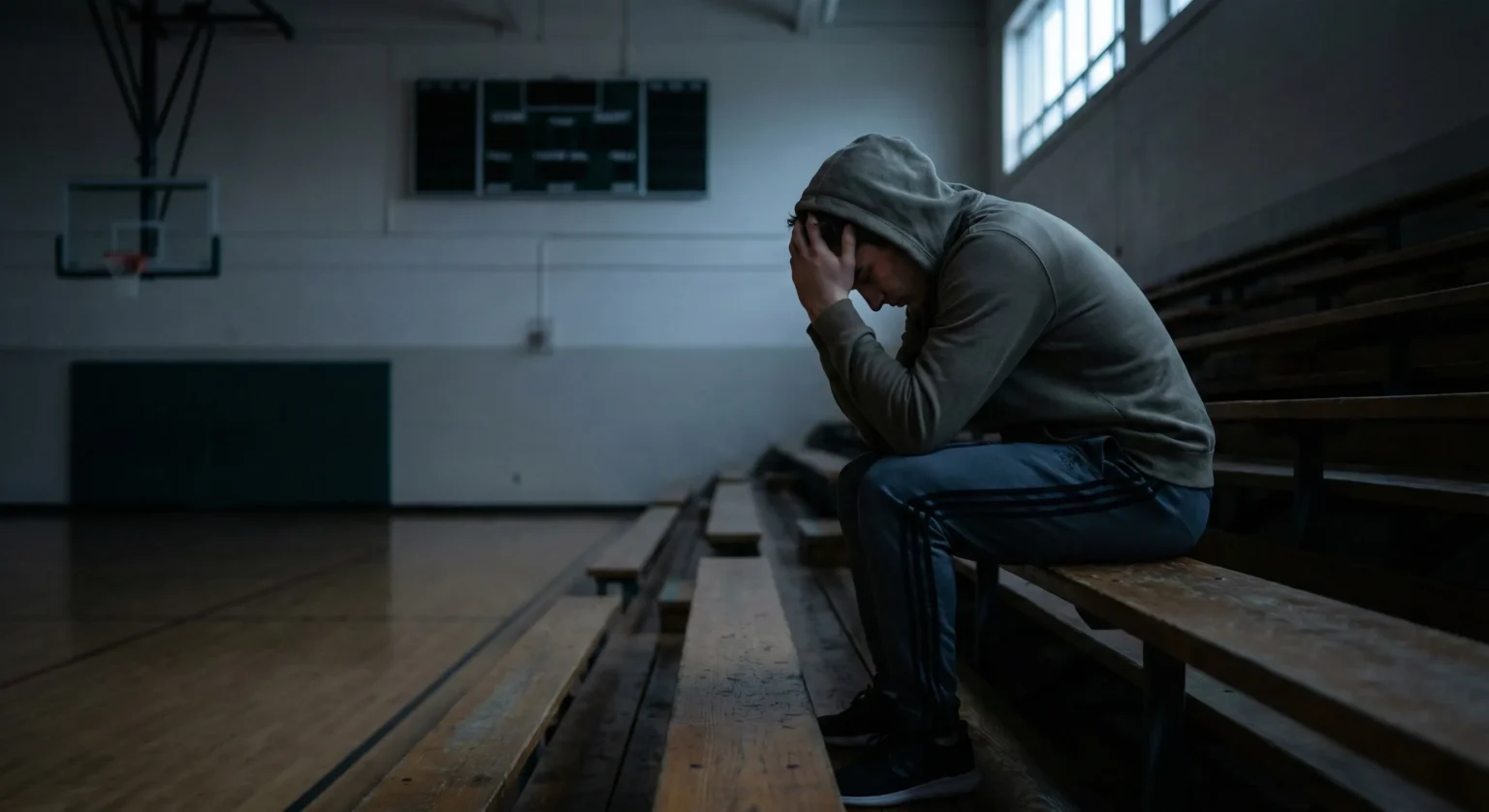

High School Sports and Mental Health: When the Game Stops Being Fun
Medical Disclaimer: The content provided in this article is for informational purposes only and does not constitute medical advice. If your teen is experiencing severe anxiety, eating disorders, or suicidal thoughts related to sports pressure, please call 988 or go to the nearest emergency room immediately. For confidential assessment and admissions, contact Teen Mental Health Facility.
Introduction: The Glory and the Grind
For many teenagers, sports are not just a hobby; they are an identity. Being an athlete provides structure, community, and a sense of purpose. The Friday night lights, the camaraderie of the locker room, and the thrill of victory are often the highlights of high school.
But there is a darker side to the game.
In 2026, high school sports have become professionalized. The pressure to secure a college scholarship, the demand for year-round training, and the scrutiny of social media have turned the playing field into a pressure cooker.
We are seeing a disturbing trend: Student-athletes are suffering in silence.
They are battling performance anxiety, body image issues, and burnout, but they are terrified to speak up for fear of looking “weak” to their coaches or letting down their parents.
At Teen Mental Health Facility, we believe that mental toughness should not mean suffering alone. In this guide, we will explore the complex relationship between athletics and mental health, identify the signs of “Athlete Burnout,” and show parents how to help their teens find a balance between winning and wellness.
If the pressure is becoming too much, explore our Teen Athlete Mental Health Programs.
The "Identity Trap": When You Are Only What You Play
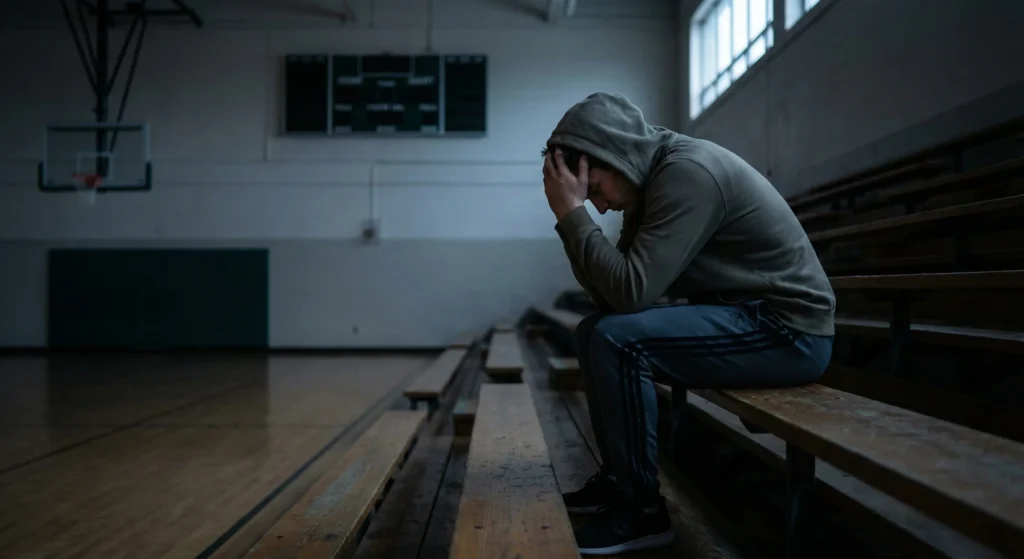
One of the biggest risks for student-athletes is Identity Foreclosure. This happens when a teen’s entire sense of self is wrapped up in their sport.
- “I am a quarterback.”
- “I am a gymnast.”
The Danger: If they get injured, cut from the team, or simply have a bad season, they don’t just lose a game; they lose themselves. This can trigger a severe depressive episode or an identity crisis.
Parent Tip: Encourage your teen to have hobbies and friends outside of their sport. Remind them: “You are a person who plays soccer, not just a soccer player.”
The Pressure to Perform: Anxiety on the Field
Performance anxiety is normal, but when does it become a disorder?
- Pre-Game Panic: Vomiting before every game, panic attacks in the locker room, or inability to sleep the night before a match.
- The Yips: A sudden, unexplained inability to perform routine skills due to mental block.
- Perfectionism: A belief that anything less than a win is a total failure. This mindset often bleeds into academics, creating a teen who is terrified of making any mistake.
The Clinical View: This is often High-Functioning Anxiety. The adrenaline that helps them on the field is destroying them off the field.
The Highlight Reel: Social Media's Role
In the past, a bad game was forgotten by Monday. Today, it is immortalized online. Social media has introduced a new layer of psychological warfare to high school sports.
- Comparison Fatigue: Teens constantly consume “highlight reels” of rival athletes. They see the PRs (Personal Records), the scholarship offers, and the perfect form, leading to a sense of inadequacy.
- Public Scrutiny: A missed goal or a fumble can be meme-ified or criticized in comments by peers and strangers. This constant surveillance creates a state of Hyper-Vigilance, where the teen feels they can never relax, even off the field.
The Silent Epidemic: Eating Disorders in Sports
Certain sports (gymnastics, wrestling, running, dance) have a high correlation with eating disorders due to weight classes or aesthetic expectations. However, Relative Energy Deficiency in Sport (RED-S) affects athletes of all genders and sports.
Warning Signs:
- Obsessive Tracking: Using apps to track every calorie and macronutrient.
- Training Through Injury: Refusing to rest even when hurt because they fear “getting out of shape.”
- Amenorrhea: In females, the loss of a menstrual cycle is often dismissed as “normal for runners,” but it is a dangerous sign of malnutrition and bone density loss.
If your teen is more focused on their body composition than their performance or joy, it is a red flag.
Sleep: The Forgotten Performance Enhancer
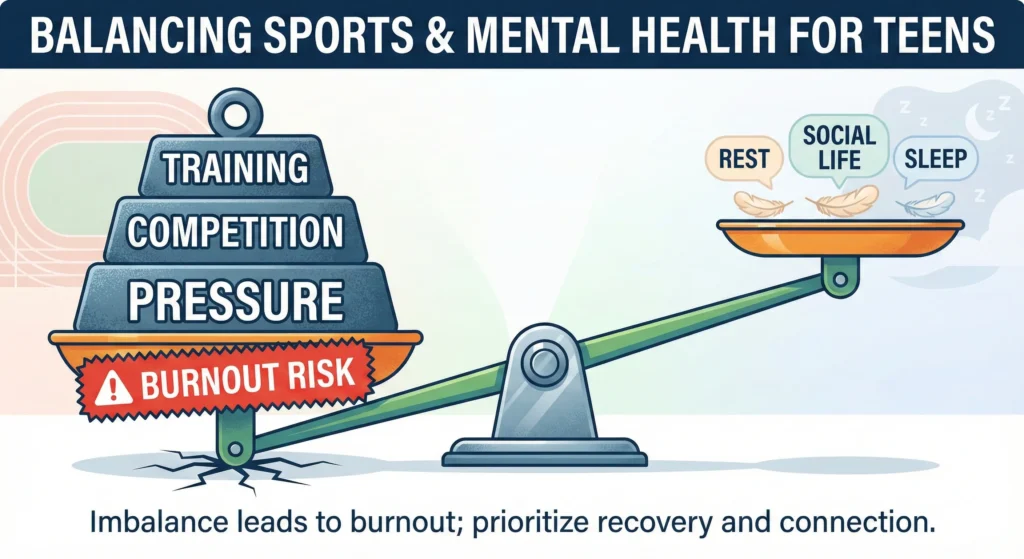
The most common cause of mental health decline in student-athletes is surprisingly simple: Sleep Deprivation. Between early morning practices, school, and late-night homework, many teen athletes function on 5-6 hours of sleep.
- The Injury Link: Research shows that athletes who sleep less than 8 hours are 1.7 times more likely to get injured.
- The Mental Link: Sleep is when the brain processes emotion. Chronic deprivation leads to irritability, depression, and “emotional fragility.”
The Fix: Parents must prioritize sleep over homework and extra training. It is the foundation of both mental and physical resilience.
Injury: The Unexpected Mental Health Crisis
For a high-level athlete, an injury is a form of Grief. When an ACL tears or a concussion happens, the teen loses their daily routine, their endorphin release, and their social circle (the team) all at once.
The Post-Injury Depression: We often see teens spiral into depression or substance use (painkillers) during recovery. They feel useless and isolated.
- The Role of Treatment: Mental health support during physical rehab is crucial. We help them process the loss and find value in themselves while they are on the sidelines.
The College Recruitment Pressure Cooker
For elite athletes, the goal is often a D1 scholarship. But the recruitment process is fraught with anxiety.
- The “All or Nothing” Mindset: Many teens believe, “If I don’t get signed, my life is over.”
- NIL Deals: The introduction of Name, Image, and Likeness deals has trickled down to high school, turning teens into “brands” before they are adults.
This pressure forces teens to view their sport as a job rather than a game. When the fun evaporates, burnout follows.
The Post-Season Dopamine Crash
Parents are often confused when their teen becomes depressed after a successful season. This is the Dopamine Crash. For months, the teen’s brain has run on high adrenaline and cortisol. They had a clear schedule and a clear goal. When the season ends, that chemical support structure collapses.
- Symptoms: Lethargy, aimlessness, and irritability.
- The Strategy: We help teens plan for the “off-season” by scheduling lower-intensity activities and focusing on social connection to buffer the drop.
The Toxic Coach/Parent Dynamic
Sometimes, the pressure isn’t internal; it’s external.
- The “Living Through You” Parent: Parents who are overly invested in their child’s success can inadvertently crush them. If the car ride home is a critique of every play, the teen learns that love is conditional on performance.
- The Abusive Coach: A coach who uses shame, humiliation, or excessive punishment is not “building character”; they are causing trauma.
Parent Action: If your teen seems terrified of their coach or dreads practice, investigate. You are their protector, not their agent.

Signs of "Athlete Burnout"
Burnout is not just being tired; it is a state of emotional, physical, and mental exhaustion caused by excessive and prolonged stress.
Red Flags:
- Dread: They used to love practice; now they look for excuses to skip.
- Flat Performance: They are training harder but performing worse (Overtraining Syndrome).
- Mood Changes: Increased irritability, apathy, or cynicism about the sport.
- Somatic Complaints: Constant muscle soreness, frequent illnesses, or headaches.
Treatment: Getting Back in the Game (Mentally)
If your teen is struggling, it doesn’t mean they have to quit sports forever. It means they need a reset.
1. Sport Psychology & CBT
We use Cognitive Behavioral Therapy to help athletes separate their worth from their performance. We teach visualization and grounding techniques to manage game-day anxiety.
2. Identity Work
We help them explore who they are off the field. We encourage art, music, or volunteering to build a multi-dimensional identity.
3. Partial Hospitalization (PHP)
For teens in severe burnout or depression, taking a temporary leave of absence from the sport to attend a PHP (Day Treatment) can save their life.
- The Goal: To return to the sport with a healthy mindset, or to grieve the loss of the sport and find a new path.
!

Conclusion: You Are More Than a Stat Sheet
To the teen athlete reading this: You are enough. You are enough even if you miss the shot. You are enough if you get injured. You are enough if you decide you don’t want to play anymore.
To the parents: Your child’s mental health is more important than a scholarship. The trophy case eventually collects dust, but the mental patterns formed in adolescence last a lifetime. Let’s ensure those patterns are healthy.
If the game has stopped being fun, we can help. Contact Teen Mental Health Facility today.
Frequently Asked Questions
Should I let my teen quit the team? If the sport is the primary cause of their distress, yes. Quitting is not failure; it is a boundary. Sometimes a break is all that is needed; sometimes it is a permanent pivot. Follow their lead.
How do I handle a toxic coach? Document incidents. Speak to the athletic director. But most importantly, validate your child. Tell them: “That coach was wrong to speak to you that way. You do not deserve that.”
Can sports help mental health? Absolutely. Exercise is a powerful antidepressant. The goal is not to eliminate sports, but to eliminate the toxic pressure surrounding them so the joy of movement can return.
What is the “Post-Olympic Blues”? This is the depression that hits after a major season ends. The sudden drop in adrenaline and goal-orientation can leave a void. We help teens plan for the “off-season” to prevent this crash.