

If you are wondering how much sleep do teens need, you are not alone. Many parents, caregivers, and teenagers ask this question. Sleep is very important during the teen years because the developing brain and body are growing fast.
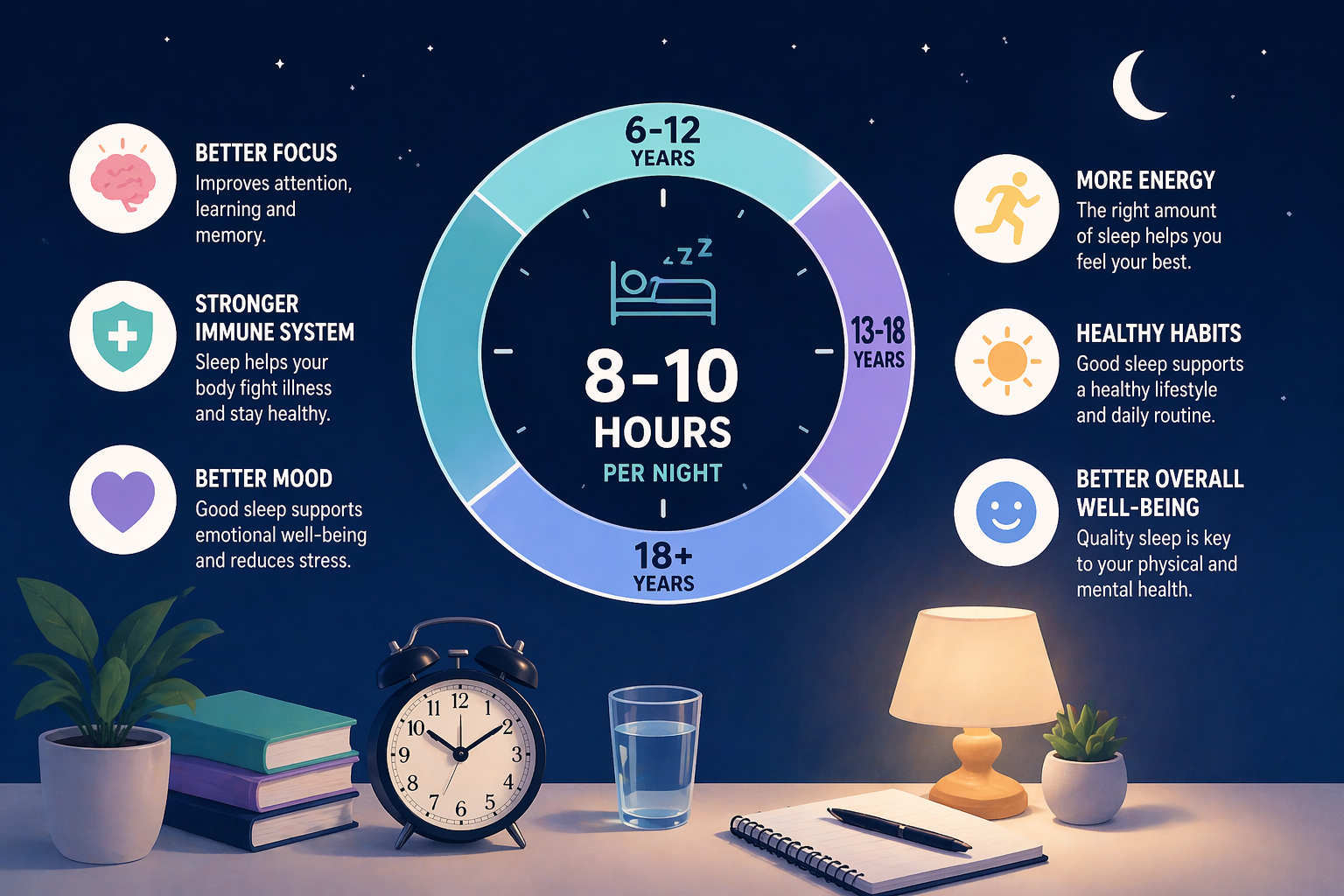
Most experts, including the National Sleep Foundation, say that teens need about 8 to 10 hours of sleep nightly. This is the recommended hours for this age group. Getting the right amount of sleep helps teens feel better, think clearly, and stay healthy.
If your teen struggles to fall asleep or does not get enough sleep, it can affect their mental health, mood, and school performance. You can learn more about healthy routines at Teen Mental Health Facility, where support for teen sleep and wellness is available.
Why Sleep Is Important for Teenagers
The Developing Brain Needs Rest
During the teenage years, the brain is still growing. Sleep helps the brain process information, learn new things, and manage emotions. Without enough rest, teens may feel tired, forgetful, or stressed.
Sleep and Mental Health
Sleep plays a big role in mental health. Teens who are sleep deprived have a higher risk of anxiety, mood swings, and even depression. Good sleep helps improve mood and emotional control.
Physical Growth and Energy
Teens need sleep for physical growth. The body repairs itself during the night, helping muscles and bones grow. Without enough sleep duration, teens may feel low energy and struggle with daily tasks.
How Many Hours of Sleep Do Teens Need by Age?
Recommended Sleep Duration
Here is a simple guide for how much sleep teens need:
Ages 13–15: 8–10 hours of sleep
Ages 16–18: 8–10 hours of sleep
This means most teens should aim for at least 8 hours each night. However, many teens get less sleep than they need due to busy schedules.
Why Teens Often Get Less Sleep
Even though teens need more rest, they often get insufficient sleep. This is due to changes in the body clock, also called the circadian rhythm. This shift makes teens want to stay up later and wake up later.
What Happens When Teens Don’t Get Enough Sleep?
Sleep Deprivation and Its Effects
Sleep deprivation happens when teens do not get enough rest over time. This can lead to:
Trouble focusing in school
Feeling tired during the day
Poor decision-making
Low energy
Chronic Sleep Deprivation
When sleep problems continue, it becomes chronic sleep deprivation. This can increase the risk of serious issues like:
Depression
Anxiety
Poor academic performance
Health problems
The Vicious Cycle of Poor Sleep
Lack of sleep can create a vicious cycle. Teens feel tired, so they take an afternoon nap, which makes it harder to sleep at bedtime. Then they stay up late again, leading to more sleep deprivation.
Why Teens Struggle to Fall Asleep
Changes in the Body Clock
During adolescence, the body clock shifts. Teens naturally feel awake later at night and have trouble waking in the morning.
Electronic Devices and Blue Light
Using electronic devices like phones and tablets before bed can delay sleep. The blue light from screens affects the body’s production of melatonin, a hormone that helps us sleep.
Busy Schedules
Many teens have:
Homework
Extracurricular activities
Social time
These can lead to late bedtimes and fewer hours of sleep.
Early School Start Times
Many high schools have early school start times, which means teens must wake up early even if they went to bed late. This leads to insufficient sleep during the school week.
Signs Your Teen Is Not Getting Enough Sleep
Common Signs of Sleep Deprivation
Here are signs your teen may be sleep deprived:
They feel tired all the time
They have trouble waking in the morning
They fall asleep in class
Their mood changes often
They rely on caffeine to stay awake
Emotional and Behavioral Changes
Lack of sleep can also affect behavior. Teens may become:
Irritable
Unmotivated
Sad or withdrawn
This can impact their relationships with parents, friends, and teachers.
How Much Sleep Do Teens Need on School Nights vs Weekends?
School Nights
During school nights, teens should still aim for 8–10 hours. However, many get only 6–7 hours, which is not enough.
Weekends
On weekends, teens may try to catch up on sleep. While extra rest can help, sleeping too late can disrupt a regular sleep schedule.
Finding Balance
It is important to keep a consistent sleep schedule, even on weekends. This helps the circadian rhythm stay balanced.
Healthy Sleep Habits for Teens
Create a Regular Sleep Schedule
Going to bedtime and waking up at the same time each day helps build a regular sleep schedule. This improves overall sleep habits.
Limit Screen Time Before Bed
Avoid electronic devices at least one hour before bed. This reduces exposure to blue light and helps the brain relax.
Build a Relaxing Bedtime Routine
Good sleep habits include:
Reading a book
Taking a warm shower
Listening to calm music
These habits help teens fall asleep faster.
Make the Bedroom Sleep-Friendly
A good bedroom should be:
Dark
Quiet
Cool
This creates a better environment for sleep nightly.
Watch Caffeine Intake
Avoid caffeine, especially in the afternoon and evening. It can make it harder to fall asleep.
The Role of Parents in Teen Sleep
Helping Teens Build Good Sleep Habits
Parents play a key role in helping teens develop healthy sleep habits. Setting rules around bedtime and screen use can make a big difference.
Encouraging Balance
Parents can help teens balance:
School
Activities
Rest
This ensures teens get the sleep they need.
Talking About Sleep
Open conversations about sleep can help teens understand why it matters. When teens know how sleep affects their mental health, they are more likely to prioritize it.
Sleep Research and What Experts Say
What the National Sleep Foundation Recommends
The National Sleep Foundation recommends 8–10 hours for teens. This is based on years of sleep research.
Expert Insights
Experts often say, “Sleep leads to better health and learning.” As one specialist often explains dr, getting enough sleep improves focus, mood, and physical health.
Why Most Teens Don’t Get Enough Sleep
Studies show that most teens do not meet the recommended hours. Busy schedules and technology are major reasons.
Tips for Getting Better Sleep
Simple Steps for Better Sleep
Teens can improve sleep by:
Going to bed earlier
Reducing screen time
Avoiding long naps
Keeping a consistent schedule
Avoid Long Afternoon Naps
A short nap can help, but long naps can make it harder to sleep at night.
Stay Active During the Day
Exercise helps improve sleep. Being active during the day makes it easier to fall asleep at night.
When to Seek Help for Sleep Problems
Signs of a Bigger Issue
If your teen:
Cannot sleep for many nights
Feels very tired all the time
Has changes in mood or behavior
It may be time to seek help.
Professional Support
Mental health professionals can help teens improve sleep and manage stress, anxiety, or depression.
Final Thoughts on Teen Sleep
So, how much sleep do teens need? The answer is clear: most teens need 8–10 hours each night. Getting enough sleep supports their developing brain, improves mental health, and helps them succeed in school and life.
By building good sleep habits, limiting electronic devices, and keeping a consistent sleep schedule, teens can get the rest they need. Small changes can lead to better sleep and a healthier future.
FAQs About Teen Sleep
How much sleep do teens need each night?
Teens need about 8 to 10 hours of sleep each night to support their growth, learning, and mental health.
Why do teens stay up late?
Teens often stay up late due to changes in their circadian rhythm, which shifts their body clock to a later schedule.
Can sleep deprivation affect mental health?
Yes, sleep deprivation can increase the risk of anxiety, depression, and mood problems in teens.
Is it okay for teens to take naps?
Short naps can help, but long naps may make it harder to fall asleep at night.
How can teens improve their sleep habits?
Teens can improve sleep by keeping a regular schedule, limiting screen time, and creating a relaxing bedtime routine.