
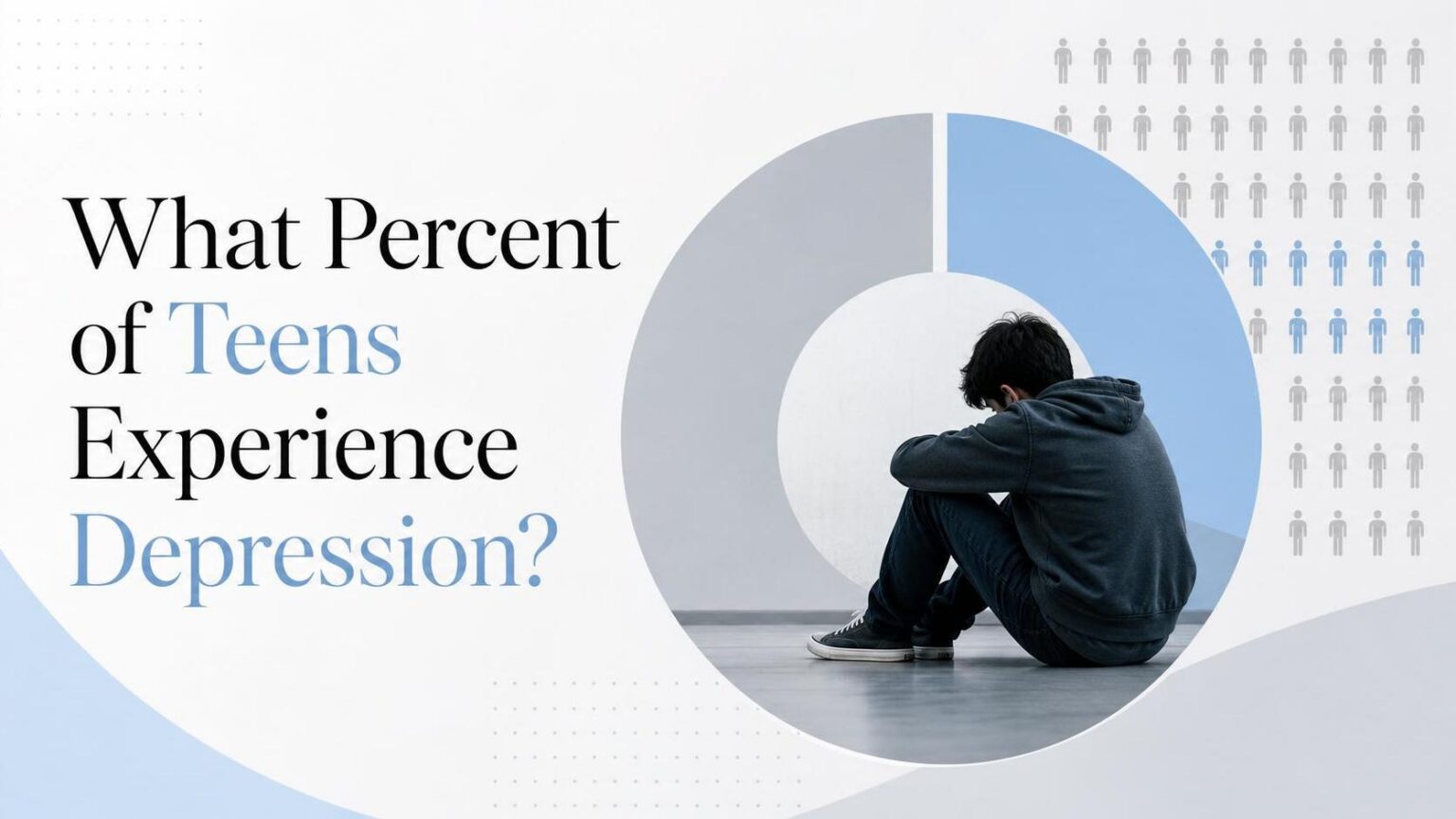

Teen depression is no longer a quiet side issue in children’s health; it is one of the most urgent mental health concerns affecting adolescents, families, schools, and communities. Many parents, educators, and young people are asking how common it is, why rates appear to be rising, and what patterns show up across ages, gender, substance use, and access to care.
The short answer: depression affects a substantial share of teens, and the rate differs depending on the study, country, age group, and whether researchers measure symptoms, diagnosis, or a major depressive episode during the past year. Current data suggest that about one in five teens may experience depression by age 17, while 18% of U.S. adolescents ages 12 to 17 had a major depressive episode in 2023.
key takeaways
- At least one major depressive episode occurs in approximately 20% of teenagers before adulthood.
- A global one-year prevalence of major depressive disorder among adolescents is about 8%.
- Depression is estimated to affect roughly 1.3% of adolescents aged 10–14 years globally and 3.4% of adolescents aged 15–19.
- Female adolescents are more than twice as likely to experience a depressive episode compared with males among adolescents ages 12–17.
- Early identification and appropriate treatment can support better mental health outcomes.
Teen Depression Rates: The clearest answer
For families searching “what percent of teens experience depression,” the most useful answer is a range: roughly 8% of adolescents worldwide may have major depressive disorder in a given year, while U.S. estimates show higher past year rates for a major depressive episode among adolescents ages 12 to 17. The National Institute of Mental Health reports that 18% of U.S. youth ages 12 to 17 had a major depressive episode in 2023.
Other measures capture active symptoms rather than diagnosis. Up to 15% of adolescents are suffering from active depressive symptoms at any given time, and 40% of high school students reported persistent feelings of sadness or hopelessness in 2023, according to CDC Youth Risk Behavior Survey reporting from the Centers for Disease Control and Prevention. These figures do not all mean the same thing, but together they show that depression and related mental health conditions are common among adolescents.
What is depression in teens?
Depression in teens is a mental disorder that can affect mood, sleep, energy, appetite, motivation, concentration, physical health, school performance, relationships, and daily life. It is not ordinary sadness, although sadness can be one symptom. A teen may have emotional numbness, irritability, anxiety, loss of interest, fatigue, or thoughts connected to self harm or suicide.
A major depressive episode is typically defined by a cluster of symptoms lasting at least the past two weeks and causing distress or impairment. Major depressive disorder is diagnosed by qualified clinicians when symptoms meet clinical criteria. Teens may not show the same symptoms as adults; some adolescents look angry, withdrawn, restless, or unusually sensitive rather than visibly sad.
How rates differ by ages and stage
Age matters. Depression is estimated to affect roughly 1.3% of adolescents aged 10–14 years globally, while 3.4% of adolescents aged 15–19 experience depression. The risk rises across the teen years, and 20% of teens will experience depression by age 17. Up to 34% of adolescents aged 10–19 are considered at risk of developing clinical depression.
The commonly cited global estimate says 14.3% of adolescents experience mental health conditions, including anxiety, depressive disorders, eating disorders, and substance-related disorders. Among adolescents, early childhood stress, puberty, peer pressure, online experiences, sleep loss, and school demands can all contribute to mental health vulnerability. A child moving from ages 10 to 14 may need different support than youth ages 15 to 19 or young adults leaving school.
What percentage of 15 year olds have depression?
There is no single worldwide number for every 15-year-old because studies group ages differently. The closest global estimate is that 3.4% of adolescents ages 15–19 experience depression, while broader U.S. data show higher rates for a major depressive episode across ages 12–17 in the past year. A 15-year-old sits in a transition zone where risk often increases, especially for female adolescents and youth facing isolation, trauma, discrimination, or substance use.
U.S. data: major depressive episode in the past year
In the United States, 18% of youth ages 12 to 17 had a major depressive episode in 2023. That major depressive episode measure is important because it captures more than a bad week; it reflects significant symptoms and impairment. Depression cases among adolescents increased by roughly 45% between 2016 and 2023, raising concerns across mental health care, school counseling, and children’s health systems.
A national survey can also reveal gaps in support. The Substance Abuse and Mental Health Services Administration, often abbreviated as SAMHSA, found patterns showing that many adolescents with a major depressive episode did not receive treatment. In some reports, 40% of adolescents with major depression did not receive treatment, while 54% of U.S. youth ages 12 to 17 struggle to access mental health care.
Global context and why numbers vary
The World Health Organization estimates that 14.3% of adolescents globally experience mental health conditions. This includes depression, anxiety disorders, eating disorders, behavioral disorders, and other concerns. A country with strong screening may report more cases, while cultural stigma can hide suffering and reduce treatment seeking among youth of color, immigrant families, and communities where mental health is rarely discussed.
A global one-year prevalence of major depressive disorder among adolescents is 8%, but a major depressive episode estimate in one national survey may be higher or lower. Differences can come from survey wording, whether parents or teens answer, whether impairment is measured, and whether the past year or entire year is used as the reference window.
Gender, identity, and higher risk groups
Depression is more prevalent in females than in males among adolescents aged 12–17 years. Adolescent females are more than twice as likely to experience a depressive episode compared to males. Up to 65% of LGBTQ+ teenagers report persistent feelings of sadness or hopelessness, showing why safety, acceptance, and social support are central to youth mental health.
Some teens face higher risk because of adverse childhood experiences, bullying, family conflict, chronic illness, disability, or co occurring conditions such as anxiety, autism spectrum disorder, substance use disorder, and eating disorders. Adolescents exposed to violence are at higher mental health risk, and trauma can affect how they regulate emotions, trust adults, and manage stress.
Depression, substance use, and related disorders
Depression and substance use often overlap. One estimate found that 23% of U.S. youth had a depressive episode or substance use disorder. In 2022, 5.5% of adolescents used cannabis globally, and 22% of 15–19-year-olds reported alcohol use in 2019. Substance use can worsen sleep, mood, judgment, and school functioning, while depression can make substance use feel like an escape.
Substance abuse and drug use are not the same as a diagnosis, but they can signal distress. A teen with major depression may be more vulnerable to illicit drugs, alcohol, or cannabis, and a teen with substance use disorder may experience more severe impairment. Teens with depression are also four times more likely to develop eating disorders, which can affect physical functioning, emotional stability, and long-term health.
When sadness becomes severe impairment
Not every sad child or teen has major depression. However, warning signs deserve attention when symptoms last, intensify, or interfere with school, sleep, friendships, hygiene, family life, or daily life. Severe impairment may look like refusing school, losing interest in nearly everything, sleeping much more or much less, withdrawing from friends, or talking about death.
Severe depression can involve self harm, suicide attempts, or thoughts of attempting suicide. In 2023, 9% of U.S. high school students attempted suicide. Suicide is a leading cause of death among young people, and any talk of self harm suicide, death, or attempting suicide should be taken seriously and addressed with immediate support from trusted adults and crisis resources.
Can a 9 year old be depressed?
Yes, a 9-year-old child can be depressed, although depression may look different in a younger child than in adolescents. A child might complain of stomachaches, become unusually irritable, lose interest in play, struggle at school, cling to parents, or show sudden changes in sleep and appetite. Because a child may not have the words to explain emotional pain, adults may notice behavior first.
Early childhood experiences matter. A child exposed to violence, neglect, grief, bullying, family instability, or chronic stress may carry long-term mental health effects. That does not mean every child with hardship will develop depression; it means a concerned adult should watch patterns, ask gentle questions, and seek evaluation when symptoms persist.
Why more teens may be struggling
Experts point to many possible reasons for rising depression rates among adolescents: social isolation, academic pressure, sleep disruption, online comparison, economic stress, family strain, discrimination, and reduced access to supportive adults. More than half of some youth groups report barriers to getting help, and nearly half may delay care because of cost, stigma, transportation, or not knowing where to start.
School can be a source of pressure and protection. Supportive school climates, connected teachers, counselors, peer belonging, and safe activities are linked to better mental health outcomes in youth. Social support is consistently associated with stronger well being, while isolation can worsen anxiety, depression, substance use, and other disorders.
Treatment and access to mental health services
Early identification is crucial for effective treatment of depression. Treatment may include mental health therapy, family support, school accommodations, lifestyle changes, and sometimes medication prescribed by a qualified clinician. This article is educational and not a substitute for mental health care, diagnosis, or personalized clinical guidance.
Access remains a major challenge. In the past year, many families seeking mental health services have faced long waitlists, insurance barriers, or limited local providers. Telehealth access has improved mental health support for teens, especially in rural areas or for youth who feel safer starting from home. Still, many adolescents with a major depressive episode do not receive care when they need it.
What parents, schools, and adults can watch for
Adults do not need to diagnose a teen to notice concerns. Signs may include withdrawal, grades dropping, loss of interest, tearfulness, anger, panic, changes in eating, sleep problems, headaches, risky substance behavior, talk of death, or giving away possessions. If symptoms are intense or connected to suicide, self harm, or immediate danger, families should contact emergency or crisis support right away.
For day-to-day support, parents and trusted adults can listen without shaming, ask direct but calm questions, reduce isolation, encourage sleep routines, and help the teen connect with mental health services. Schools can help by training staff, improving counseling access, and creating referral pathways with local mental health services administration partners, pediatricians, and community providers.
Frequently Asked Questions
What is the rate of depression in teens?
The rate depends on the measure. Globally, major depressive disorder among adolescents has a one-year prevalence around 8%. In the U.S., 18% of adolescents ages 12–17 had a major depressive episode in 2023, and at least one major depressive episode occurs in about 20% of teenagers before adulthood.
What percentage of 15 year olds have depression?
Global estimates often group 15-year-olds with adolescents ages 15–19, where about 3.4% experience depression. Broader teen surveys may show higher rates when measuring symptoms or a past year major depressive episode rather than diagnosis alone.
Can a 9 year old be depressed?
Yes. A 9-year-old child can experience depression, though symptoms may appear as irritability, physical complaints, school refusal, sleep changes, or loss of interest in play. A pediatrician or qualified mental health professional can help assess a child’s needs.
What is depression in teens?
Depression in teens is a serious mental health condition involving persistent mood, motivation, energy, sleep, appetite, thinking, and behavior changes. A major depressive episode usually involves symptoms lasting at least two weeks and causing impairment.
How common are mental health conditions among adolescents?
About 14.3% of adolescents globally experience mental health conditions. In 2022–2023, 31% of youth ages 12 to 17 had mental health problems, including anxiety, depression, substance-related concerns, and other disorders.
Do teens with depression usually receive treatment?
Not always. Around 40% of adolescents with major depression did not receive treatment in some U.S. estimates. Barriers include availability, cost, stigma, transportation, and difficulty finding age-appropriate mental health care.
Conclusion: understanding the percentage is only the start
The teen depression picture is serious: millions of adolescents experience symptoms, many have a major depressive episode in the past year, and too many face barriers to treatment. But the numbers also point to opportunity. When families, schools, health providers, and communities recognize concerns earlier, young people can receive treatment, rebuild well being, and feel less alone.
If you are worried about a teen, start with a calm conversation, contact a pediatrician or licensed mental health professional, and explore local mental health services. Understanding how many teens experience depression is important, but helping one child access support can matter even more.