
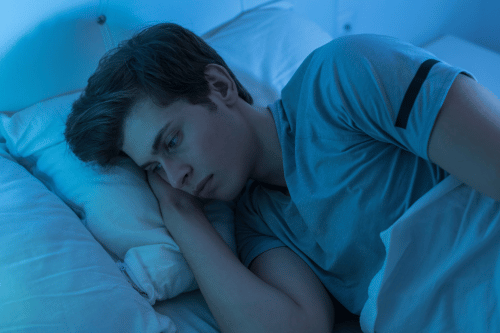

Effective Tips for Teen Insomnia
Teen insomnia affects focus, mood, and overall health. Without proper sleep, teens may develop fatigue, irritability, and serious medical conditions. The good news is there are proven tips that can help.
At Teen Mental Health Facility, we support families and teens dealing with insomnia. Our programs address the behaviors, habits, and lifestyle issues that fuel sleep problems. Here are the most effective ways to manage teen insomnia.
What Is Teen Insomnia?
Teen insomnia means trouble falling asleep, staying asleep, or waking too early. It often leads to daytime fatigue, low energy, and poor focus.

The circadian rhythm shifts during adolescence, which makes it harder for teens to feel tired before midnight. This biological delay is natural but worsened by electronics, caffeine, and stress.
Teens with persistent sleep issues may also experience blood pressure changes, worsened school performance, and a higher risk of mental health disorders.
Why Sleep Matters for Teen Health
Sleep is vital for brain function, hormone regulation, and emotional balance. The Centers for Disease Control and Prevention links chronic sleep deprivation to long-term medical risks such as type 2 diabetes, obesity, and bipolar disorder.
Teens who lack quality sleep often struggle with mood instability, learning difficulties, and attention problems. Lack of sleep also increases the risk of drug use, poor diet, and unhealthy lifestyle habits.
Tip 1: Set a Consistent Sleep Schedule
Going to bed and waking up at the same time every day strengthens the sleep-wake rhythm. This helps reset the teen’s internal clock.
Avoid large swings between weekday and weekend sleep times. Teens benefit when their body learns a regular rhythm tied to daylight and mealtimes.
Tip 2: Reduce Screen Time at Night
Electronics like phones, tablets, and computers emit blue light that disrupts natural melatonin release. This keeps the brain active even when it’s time to rest.
The American Academy of Pediatrics recommends avoiding screens 60 minutes before bed. Limit apps and devices that trigger emotional stimulation or stress.

Tip 3: Improve Sleep Hygiene
Sleep hygiene is a combination of actions and environmental cues that support sleep. These include a clean, quiet room, cool temperature, and minimal noise.
Poor hygiene habits like using a bed for eating, gaming, or studying confuse the brain. Reinforce the idea that the bed is only for sleep and rest.
Tip 4: Avoid Caffeine and Stimulants
Caffeine is a powerful stimulant found in soda, tea, energy drinks, and even some over-the-counter medications. Teens should stop consuming caffeine by early afternoon.
Teens with anxiety, ADHD, or depression should talk to a physician if they’re taking any antidepressant, medicine, or supplement that might interfere with sleep.
Tip 5: Cut Out Late-Night Meals and Drinks
Heavy meals before bed keep the digestive system working, which delays rest. Drinking excess fluids also causes waking to urinate, disrupting sleep.
Avoid greasy foods, spicy meals, and sugary drinks in the evening. These not only affect sleep but may also impact blood pressure, digestion, and metabolic health.
Tip 6: Establish a Relaxing Bedtime Routine
A calming bedtime routine tells the brain it’s time to shut down. This helps reduce evening worry, a common reason teens lie awake.
Warm tea, light stretching, and quiet music can help the brain shift into relaxation mode. Avoid intense light, loud conversations, and video content.
Tip 7: Encourage Daytime Physical Activity
Teens should engage in daily exercise or physical activity to reduce tension and balance sleep hormones. Activities like walking, swimming, or sports build natural fatigue.
Even mild movement increases blood flow, supports cardiovascular health, and reduces stress. Avoid vigorous workouts close to bedtime, which elevate heart rate and energy levels.
Tip 8: Skip Long or Late Naps
Daytime naps longer than 30–40 minutes can disrupt nighttime sleep. Avoid naps after 3 p.m. to preserve the natural circadian rhythm.
Short naps earlier in the day may help teens catch up on sleep debt without interfering with bedtime.
Tip 9: Watch for Underlying Conditions
If insomnia persists, there may be a hidden disease, mood disorder, or sleep condition such as restless legs syndrome. These often go undetected without a proper health evaluation.
Teen Mental Health Facility screens each patient for mood instability, trauma, and bipolar disorder, which are all tied to poor sleep.
Tip 10: Limit Exposure to Morning Light
Light in the morning plays a key role in regulating the circadian rhythm. Exposure within an hour of waking helps boost alertness and restore melatonin cycles.
Open blinds, take a short walk or eat breakfast in the sunlight. This practice helps teens adjust their internal clocks and builds better day-night rhythm.

Tip 11: Practice Daily Stress Management
Stress increases cortisol, a hormone that interferes with sleep. Teens under pressure from school, social life, or family demands often can’t relax before bed.
Teach stress-reducing habits like deep breathing, yoga, or meditation. At Teen Mental Health Facility, we offer stress management tools to help teens reduce racing thoughts and improve mood.
Tip 12: Seek Medical Help if Needed
For teens who continue struggling despite lifestyle changes, healthcare intervention is critical. A primary care provider can assess if medical issues, drug use, or emotional factors are disrupting sleep.
In some cases, sleep testing like polysomnography may uncover underlying issues. Treatment may involve therapy, medication adjustments, or behavioral strategies.
Teen Mental Health Facility offers comprehensive care for insomnia. We treat the whole teen—mind, body, and sleep—so they can return to school, home life, and activities with better rest and quality of life.
Tip 13: Support From Parents and Routine
A structured evening supported by a parent or caregiver can help reinforce boundaries and build healthy habits. Teens benefit from routines that include a wind-down period, regular meals, and predictable expectations.
Parents can help by modeling good sleep hygiene, limiting screen access at night, and being available for supportive conversations about worries or anxieties.
Final Thoughts
Teen insomnia is not just a phase—it’s a medical and behavioral issue that needs care. Teens dealing with insomnia face risks to emotional health, academic performance, and daily functioning.
With the right tools, structure, and treatment, teens can reset their rhythm, sleep better, and restore daytime focus. At Teen Mental Health Facility, we offer proven care strategies that empower teens to rest, recover, and thrive.