
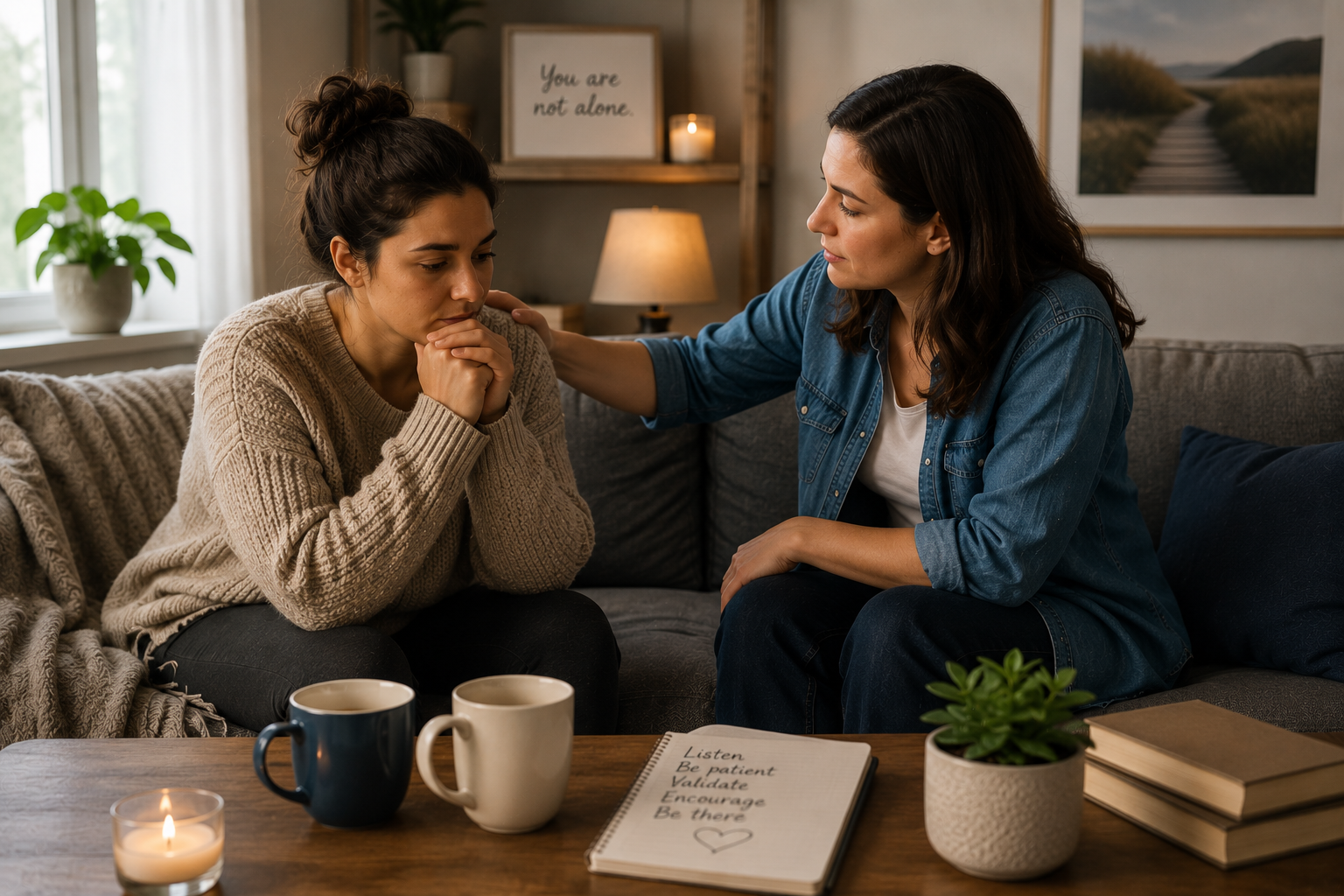

Learning how to support someone with PTSD starts with patience, trust, and respect. Post-traumatic stress disorder can change how a person thinks, feels, sleeps, and responds to stress. A loved one may seem distant, worried, angry, or alert to danger.
Families looking for teen mental health support can begin by learning about PTSD and creating a safe place to talk. You do not need to have every answer. Listening, staying calm, and helping the person find professional care can make a real difference.
What Is PTSD?
Post-traumatic stress disorder, or PTSD, is a mental health condition that may develop after a scary, harmful, or life-threatening event. It can affect teens and adults who have lived through abuse, violence, an accident, a natural disaster, a serious injury, or another traumatic experience.
Feeling upset after trauma is common. Many people begin to feel better with time and support. PTSD may be present when symptoms continue, cause strong distress, or make daily life hard.
PTSD is not a sign that someone is weak. It is a health condition that can affect the brain and body’s response to danger. Treatment and support can help people manage their symptoms and move forward.
What Are Common Signs of PTSD?
PTSD does not look the same in every person. Some symptoms are easy to notice, while others may stay hidden.
Reliving the Traumatic Event
A person may have:
Bad dreams
Flashbacks
Unwanted memories
Strong fear after seeing or hearing a reminder
Physical reactions such as shaking or sweating
During a flashback, the person may feel as if the event is happening again. They may have trouble noticing that they are safe in the present moment.
Avoiding Trauma Reminders
Someone with PTSD may avoid people, places, sounds, smells, or talks that remind them of what happened. They may refuse to discuss the trauma.
Avoidance is often an attempt to feel safe. Forcing the person to face a reminder before they are ready may increase fear.
Changes in Thoughts and Mood
PTSD may cause:
Sadness or guilt
Loss of interest in activities
Trouble feeling close to others
Negative thoughts about themselves
Trouble remembering parts of the event
A belief that the world is always dangerous
A person may pull away from loved ones even when they still care about them.
Feeling Alert or Easily Upset
The person may be easily startled, angry, restless, or unable to relax. They may watch doors, windows, crowds, or nearby people. Sleep and focus may also become difficult.
These changes can affect school, work, friendships, and family relationships. Learning that certain behaviors may be connected to PTSD can help loved ones respond with more patience.
How Can You Support Someone With PTSD?
The best support is often steady, simple, and respectful. You cannot cure PTSD for another person, but you can help them feel less alone.
Learn About PTSD
Read trusted information about trauma, PTSD symptoms, and treatment. Education can help you understand why your loved one may avoid activities, react strongly, or need extra space.
Learning about PTSD may also help you avoid taking every mood or behavior personally. Their reaction may be linked to fear, stress, or a trauma reminder.
Listen Without Pressuring Them
Let the person decide when and how much they want to share. You can say:
“I am here when you are ready.”
“You do not have to explain everything.”
“I believe you.”
“What would help you feel safer right now?”
Do not push for details about the trauma. Asking many questions can feel overwhelming. Quiet support may be more helpful than advice.
Believe Their Experience
Avoid questioning whether the event was “bad enough” to cause PTSD. Trauma affects each person in a different way.
Statements such as “just move on” or “other people have it worse” may make the person feel ashamed. Instead, accept that their pain is real and that healing may take time.
Ask What Support They Want
Do not guess what the person needs. Ask clear and simple questions, such as:
“Would you like me to listen or help solve the problem?”
“Do you want company?”
“Would you like help making an appointment?”
“Would you rather have some quiet time?”
Giving choices can help the person feel more in control. Safety, trust, choice, teamwork, and personal power are key parts of trauma-informed support.
How Should You Respond to a PTSD Trigger?
A trigger is something that reminds a person of trauma. It may be a sound, smell, place, date, person, news story, or physical feeling.
Stay Calm
Use a quiet voice and slow movements. Avoid touching the person without asking. Even a caring hug may feel unsafe during a strong trauma response.
You might say, “You are here with me. You are safe right now.”
Help Them Notice the Present
Grounding can help a person reconnect with the current moment. Encourage them to notice:
Five things they can see
Four things they can touch
Three things they can hear
Two things they can smell
One thing they can taste
They may also hold a cold drink, place both feet on the floor, or slowly name objects in the room.
Do not demand that they complete a grounding exercise. Offer it as a choice.
Reduce Noise and Activity
Move to a quieter space when possible. Turn down loud music, lower bright lights, and ask other people to give the person room.
Stay nearby if they want support. Give them space if they ask for it, as long as they are safe.
Follow Their Safety Plan
A therapist may help the person make a plan for triggers, panic, self-harm thoughts, or other crises. Learn the plan with their permission.
The plan may include coping skills, trusted contacts, medications, safe locations, and steps for getting emergency help.
How Can You Help Someone With PTSD Get Treatment?
Professional treatment can help reduce PTSD symptoms. A mental health professional may use trauma-focused therapy, medication, family support, or a mix of services.
Bring Up Treatment With Care
Choose a calm time rather than starting the talk during an argument or flashback. Speak from a place of concern.
Try saying, “I have noticed that sleep and fear have been hard for you. I care about you, and I think extra support could help.”
Avoid threats, shame, or labels.
Offer Practical Help
PTSD can make simple tasks feel hard. You may offer to:
Find local treatment options
Help make a phone call
Write down questions for a provider
Drive them to an appointment
Wait nearby during the visit
Help with school or home duties
Support should not become control. The person should have a voice in treatment choices whenever possible.
Encourage Evidence-Based Care
PTSD is treatable. Effective care may include psychotherapy that helps a person safely work through trauma memories, thoughts, and reactions. Medication may also help with certain symptoms.
Support groups can offer connection, but they should not replace care from a qualified mental health provider when PTSD symptoms are severe or ongoing.
What Should You Avoid Saying to Someone With PTSD?
Words can either build trust or create more pain.
Try not to say:
“Get over it.”
“That happened a long time ago.”
“You are being dramatic.”
“Why did you not stop it?”
“You should be thankful it was not worse.”
“Calm down.”
“I know exactly how you feel.”
Use kind statements instead:
“What happened was not your fault.”
“Your feelings make sense.”
“You do not have to face this alone.”
“I care about you.”
“We can take this one step at a time.”
A perfect response is not required. Being willing to listen and learn matters more.
How Can Families Build a Safe Home Environment?
A calm and steady home can support PTSD recovery.
Keep Routines Predictable
Regular meals, sleep times, school plans, and family activities can create a sense of order. Let the person know about schedule changes as early as possible.
A routine should be helpful, not strict. Leave room for rest on difficult days.
Reduce Surprise Contact
Knock before entering a room. Ask before touching, hugging, or moving personal items. Tell the person before inviting guests over.
These small acts can help restore a sense of control.
Plan for Hard Dates and Events
Birthdays, holidays, anniversaries, court dates, or news reports may bring back trauma memories. Ask whether the person wants extra support during these times.
A plan might include staying home, meeting with a therapist, limiting social media, or spending time with a trusted person.
Support Healthy Daily Habits
Sleep, movement, balanced meals, and time outdoors may support overall mental health. Invite the person to join you without making them feel guilty if they say no.
Avoid using alcohol or drugs as a way to manage trauma symptoms. Substance use may create more health and safety problems.
How Do You Set Boundaries With Someone Who Has PTSD?
Supporting someone does not mean accepting harmful behavior. PTSD may explain certain reactions, but it does not excuse threats, abuse, or violence.
A healthy boundary may sound like:
“I want to talk, but I will not stay while I am being yelled at.”
“I can help you call your therapist, but I cannot be your only support.”
“I will give you space, and I will check on you in one hour.”
“I care about you, but I need to feel safe too.”
Use clear words and follow through calmly. Boundaries protect both people and can make relationships more stable.
Why Is Self-Care Important for Supporters?
Caring for someone with PTSD can be tiring. Family members and friends may feel worried, helpless, angry, or worn out. PTSD symptoms can affect the whole household, not just the person with the diagnosis.
Make time to:
Sleep and eat regularly
Talk with someone you trust
Continue your own hobbies
Attend a caregiver support group
Meet with a counselor
Take breaks without guilt
Keep up with your medical needs
You can care about someone without being available every hour of the day. Looking after your health allows you to offer safer and steadier support.
When Is PTSD an Emergency?
Get immediate help if the person:
Says they want to die or hurt themselves
Has a plan to harm themselves or someone else
Is unable to stay safe
Becomes violent or makes serious threats
Is severely confused or disconnected from reality
Has taken a dangerous amount of drugs or medication
Call 911 or go to the nearest emergency room when there is immediate danger. Do not leave the person alone if doing so is safe for you. Remove weapons, medications, or other dangerous items only when you can do so without putting yourself at risk.
You do not need to handle a mental health emergency by yourself.
Can Someone Recover From PTSD?
Yes. Recovery is possible, but it may not happen in a straight line. A person may have good days followed by difficult days. This does not always mean treatment has failed.
Support recovery by noticing effort instead of demanding fast results. Celebrate steps such as attending an appointment, returning to school, sleeping better, using a coping skill, or asking for help.
The goal is not to erase the past. The goal is to help the person feel safer, manage symptoms, build healthy relationships, and take part in daily life again.
Finding PTSD Support at Teen Mental Health Facility
A teen living with PTSD may need support that fits their age, experiences, family needs, and stage of growth. Teen Mental Health Facility helps families understand treatment options for trauma and other mental health concerns.
Professional support can give teens a safe place to identify triggers, learn coping skills, improve communication, and work through difficult feelings. Family involvement may also help caregivers learn how to respond without shame, pressure, or fear.
Reaching out for help is not a failure. It is a step toward safety and healing.
FAQs About Supporting Someone With PTSD
What is the best way to support someone with PTSD?
Listen without judgment, believe their experience, ask what they need, and respect their choices. Encourage professional treatment while avoiding pressure. Calm and steady support often helps more than trying to fix every problem.
Should I give someone space during a PTSD episode?
Give space if they request it and can remain safe. Ask whether they want you nearby or in another room. Avoid touching them without permission. Check in later and follow any safety plan they created with a professional.
Can I ask someone what caused their PTSD?
You may let them know you are willing to listen, but do not pressure them to share trauma details. They should choose what to tell you and when. Focus on what they need now rather than asking them to retell the event.
How do I help a teen with PTSD?
Create predictable routines, listen calmly, learn their triggers, work with their treatment team, and include them in choices. Watch for changes in sleep, school performance, mood, friendships, and safety. Seek professional help when symptoms affect daily life.
What should I do if someone with PTSD refuses help?
Stay calm and share specific concerns without arguing. Offer small choices, such as speaking with a doctor, counselor, or trusted adult. Keep healthy boundaries and seek emergency help if the person may harm themselves or someone else.