


Signs of Bipolar in Teens
What Is Bipolar Disorder in Teens?
Bipolar disorder is a serious mood disorder that affects thinking, feeling, and behavior. It is classified as a mental health disease with alternating periods of mania and depression. According to the American Psychiatric Association, bipolar disorder includes bipolar I disorder, bipolar II disorder, cyclothymia, and other related conditions.
Bipolar disorder symptoms in teenage females may be harder to detect due to mood fluctuations tied to puberty. However, these symptoms are not normal mood changes. They reflect a deeper brain imbalance that often requires psychiatry-based evaluation and treatment.
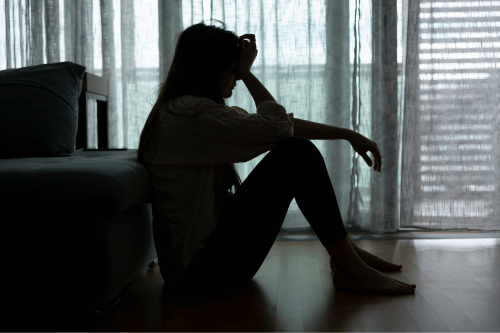
Early Bipolar Symptoms in Adolescence
Teenagers with bipolar disorder may show symptoms of mania, hypomania, or depression as early as age 12. These signs can overlap with conditions like attention deficit hyperactivity disorder and oppositional defiant disorder. This makes early detection harder but more important.
The most common early signs of a bipolar teenager include impulsivity, poor coping with stress, sudden anger, or euphoria without reason. These changes may affect relationships, schoolwork, and quality of life. Teen mental health professionals often assess behavior over time to confirm a diagnosis.
Bipolar Depression Symptoms in Teens
Teenage bipolar depression symptoms often mimic a major depressive episode. Teens may lose interest in favorite activities, sleep too much, or struggle with appetite. Feelings of guilt, sadness, or hopelessness may become overwhelming.
Bipolar depression is more severe than regular sadness. It often includes suicidal thoughts or thoughts of death. These signs require urgent care. Teens can call 988 or seek emergency help from a mental health professional.
Some teens may also show signs of dysthymia, which is a persistent low mood. However, bipolar depression alternates with elevated states like hypomania or mania. These alternating cycles define the mood disorder and separate it from dysthymia or other anxiety disorders.
Mania and Hypomania in Teenagers
Mania and hypomania are key features of bipolar disorder. Hypomania involves an elevated mood with fewer severe effects than full mania. In both, teens may display racing thoughts, pressured speech, or inflated self-esteem.
Teens may stay up all night, act recklessly, or show poor decision-making. They may have bursts of energy and unrealistic plans. Some experience euphoria, while others become aggressive or irritable.
Bipolar II disorder includes hypomania and major depressive episodes, making it harder to detect. Teenagers may seem “productive” or “high energy” during hypomanic phases. But beneath the surface, their mind is overwhelmed.

Irritation, Outbursts, and Emotional Changes
One of the most overlooked bipolar disorder symptoms in teenagers is persistent irritation. Teens may lash out, challenge authority, or act out at school. These behaviors may be mistaken for oppositional defiant disorder or disruptive mood dysregulation disorder.
Frequent emotional outbursts and sudden mood shifts are signs of a bipolar teenager. Some teens may cry uncontrollably, then act overly happy or hyperactive hours later. These erratic changes affect relationships and academic performance.
Irritation, along with impulsivity and risky behavior, signals potential mania. Without treatment, these cycles may worsen and increase the risk of substance abuse or alcohol misuse.
Attention, Sleep, and Physical Health
Many bipolar teens report attention issues. These may resemble attention deficit hyperactivity disorder, but are driven by unstable mood cycles. Teens may also have difficulty sleeping during mania and oversleep during depression.
Insomnia, fatigue, and headaches are common physical symptoms of bipolar disorder. Appetite changes also occur—teens may eat excessively or lose interest in food. Parents should monitor any consistent sleep, eating, or attention changes.
Exercise is often recommended to improve mood and health, but alone it cannot manage the disease. Mental health professionals may recommend therapy and medication to improve coping and daily functioning.
Substance Abuse and Mental Health Risks
Teens with bipolar disorder are at high risk for substance abuse. They may turn to alcohol or drugs to regulate their emotions. This can worsen symptoms and increase risk of psychosis, paranoia, or hallucinations.
Substance abuse can also make bipolar symptoms in teens harder to treat. Drug use may mask symptoms of mania or depression. A complete evaluation is needed to address both the mental health disorder and addiction.
At Teen Mental Health Facility, our care team offers therapy that targets both substance use and bipolar disorder. We create customized health care plans that address dual diagnoses and improve long-term recovery.
Bipolar Symptoms in Teenage Females
Bipolar disorder symptoms in teenage females often include more emotional expression than in males. Girls may experience more guilt, sadness, or social withdrawal. Mood swings related to hormone changes can intensify symptoms.
Teenage bipolar depression symptoms in girls may also lead to anxiety, panic, or self-harm behaviors. Borderline personality disorder may be misdiagnosed when bipolar symptoms are not properly tracked over time.
A mental health professional must assess symptoms over weeks or months to distinguish between mood disorder types. Genetics, childhood trauma, and stress levels all impact symptom expression in teen girls.
Hallucinations, Psychosis, and Emergency Signs
Teens with untreated bipolar disorder may experience psychosis. This includes hallucinations, delusions, or paranoia. These symptoms occur during severe mania or depression and are psychiatric emergencies.
Teens who show signs of psychosis, suicidal thoughts, or uncontrollable behavior need immediate care. Call 988 or take them to an emergency psychiatric clinic. Early treatment prevents long-term damage and improves recovery.
In some cases, electroconvulsive therapy (ECT) may be used for severe bipolar depression. It is rare in teens but remains an option when medication and therapy do not work.
Medication, Mood Stabilizers, and Psychiatry
Bipolar disorder is a lifelong disease that requires medical treatment. Psychiatrists often prescribe mood stabilizers like lithium. Other medications may include antipsychotics, antidepressants, or anticonvulsants.
Medication doses must be monitored closely to avoid side effects. Lithium, for example, can impact kidney function and requires blood testing. A psychiatrist will tailor the dose based on the patient’s needs and symptoms.
Side effects like weight gain, sedation, or nausea may occur. However, benefits often outweigh risks when medication is combined with therapy. Medication helps control racing thoughts, sadness, anger, and mania.
Role of Therapy in Bipolar Treatment

Therapy is vital for managing bipolar symptoms in teens. Cognitive behavioral therapy teaches coping and emotion regulation. Family therapy improves communication and problem solving at home.
Interpersonal and social rhythm therapy helps teens regulate sleep, routine, and social behavior. It helps reduce triggers and build structure. At Teen Mental Health Facility, our licensed therapists provide individual and group therapy sessions.
Therapy helps with anxiety disorder, childhood trauma, and co-occurring conditions like schizophrenia or borderline personality disorder. Treatment plans focus on improving mind-body connection and emotional stability.
Long-Term Management and Quality of Life
Bipolar disorder in teens can affect school, friends, family, and health. But with proper health care, the disease is manageable. A mix of therapy, medication, and support improves the teen’s quality of life.
Genetics play a role in bipolar disorder, so family history should be discussed with a mental health professional. Ongoing care helps reduce relapse and build healthy coping habits.
Parents should work closely with providers, encourage exercise, monitor feelings, and maintain a safe routine. With early diagnosis, structured therapy, and trusted support, teens with bipolar disorder can thrive.
Teen Mental Health Facility: Bipolar Disorder Help
Teen Mental Health Facility specializes in evaluating and treating signs of a bipolar teenager. We use psychiatric tools to assess bipolar symptoms in teens, bipolar depression, and co-occurring conditions like anxiety disorder, ADHD, and substance abuse.
Our licensed health professionals help teens manage behavior, regulate emotion, and build a healthier mind. We use science-backed methods approved by the American Psychiatric Association to treat bipolar II disorder, psychosis, and impulsivity.
Whether your teen shows symptoms of a bipolar teenager, bipolar disorder symptoms in teenage females, or signs of hypomania, we offer complete mental health care. Early intervention saves lives. Contact us today to begin treatment.