
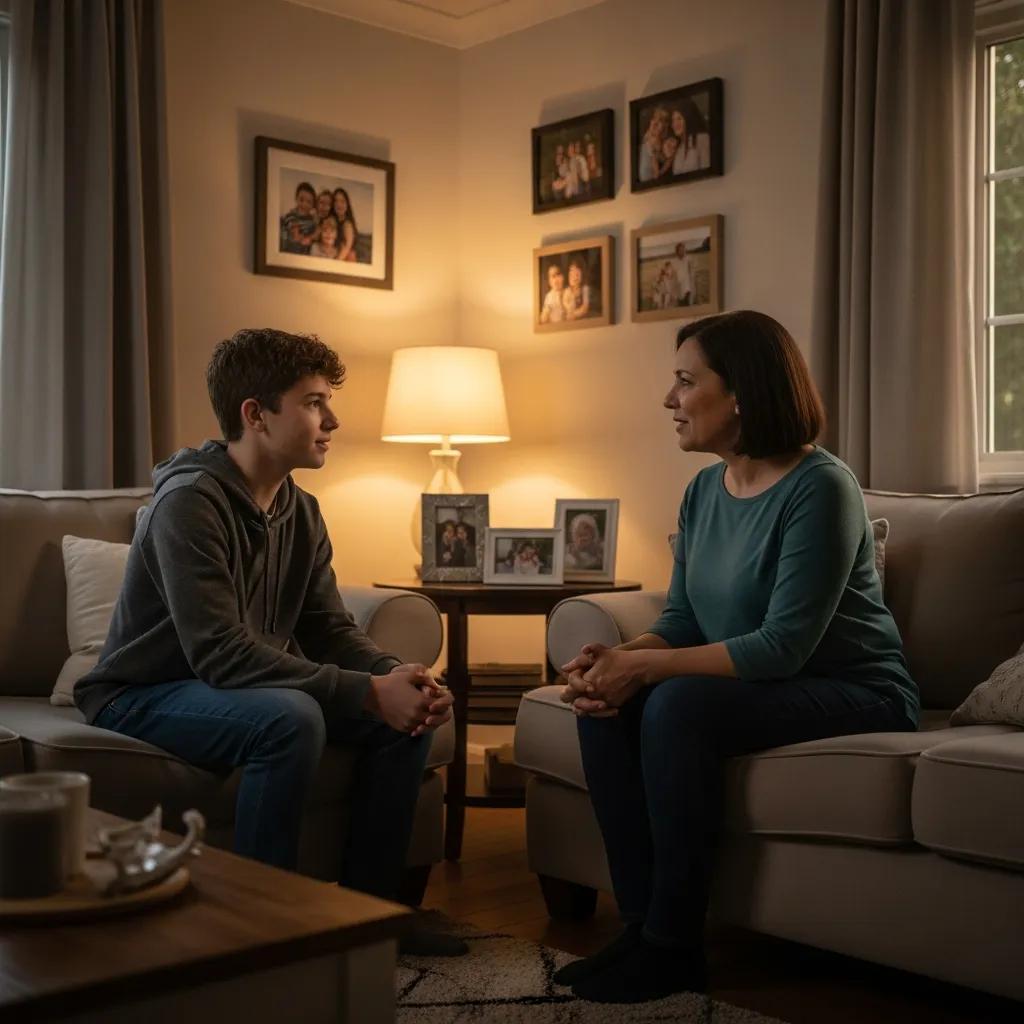

PTSD in Teens: Signs, Treatments, and How Families in Orange County Can Help
Post-traumatic stress disorder (PTSD) can deeply affect teenagers. It often follows experiences like abuse, serious accidents, or natural disasters and can change how a teen feels, thinks, and behaves. This article explains what PTSD looks like in adolescents, evidence-based treatment options, and practical ways families can support recovery. Understanding symptoms and available care helps parents and caregivers spot problems early and connect teens with the right support. Below we cover common signs, trauma-informed treatments, strategies families can use, and local resources in Orange County.
Many young people experience trauma — and research shows important differences by gender in how PTSD develops during adolescence.
Gender Differences & Trauma Exposure in Adolescent PTSD
Over 60% of children and adolescents experience a traumatic event, and a notable share go on to develop PTSD. Studies show gender differences: females have roughly twice the rates of PTSD compared with males. These differences in symptoms and the brain systems involved seem to appear during adolescence, though the exact biological drivers remain unclear.
Comparing the effectiveness of EMDR and TF-CBT for children and adolescents: A meta-analysis, 2018
Common PTSD Symptoms in Teenagers

PTSD can look different in teens than in adults. Watch for patterns such as:
- Behavioral changes: Increased irritability, pulling away from friends and activities, or sudden drops in school performance.
- Emotional symptoms: Intense sadness, anxiety, or anger that comes on more easily and lasts longer than before.
- Sleep disturbances: Frequent nightmares, trouble falling or staying asleep, or waking up distressed.
How PTSD Affects Adolescents Differently
Because teens’ brains are still developing, trauma can interfere with attention, memory, and emotional control. Adolescents with PTSD are also at higher risk for other conditions, including depression and substance use disorders. Tailoring treatment to a teen’s developmental stage improves outcomes.
Research also points to specific brain changes linked to pediatric PTSD that affect how young people process threats and regulate emotions.
Neurobiological Impact of PTSD on Youth Brain Development
Pediatric PTSD is associated with differences in brain circuits that handle threat detection and emotion regulation. Cross-sectional studies find atypical frontolimbic development in youth with PTSD compared with peers. Findings include shrinking hippocampal volume, heightened amygdala reactivity, and reduced amygdala–prefrontal coupling as youth age.
Trauma, PTSD, and the developing brain, RJ Herringa, 2017
Recognizing Signs of Trauma and Stress in Teens
Teens may not always say they’re struggling. Key warning signs to notice include:
- Behavioral shifts: Sudden aggression, avoiding social situations, or major changes in routines.
- Emotional changes: Persistent worry, tearfulness, or sudden mood swings that interfere with daily life.
- Academic decline: Falling grades, missed assignments, or loss of interest in school activities.
Which Trauma-Informed Treatments Help Adolescents?
Trauma-informed care recognizes how trauma shapes behavior and relationships and adapts treatment to keep teens safe and supported.
- Trauma-Focused Cognitive Behavioral Therapy (TF-CBT): A structured, evidence-based approach that helps teens process trauma and learn coping skills.
- Eye Movement Desensitization and Reprocessing (EMDR): A therapy that helps reduce the emotional intensity of traumatic memories.
- Family therapy: Involving caregivers strengthens communication and creates a more supportive home environment.
Multiple studies show both EMDR and TF-CBT reduce post-traumatic stress symptoms in children and adolescents.
EMDR & TF-CBT Effectiveness for Adolescent PTSD
A meta-analysis examined the efficacy of EMDR and TF-CBT for posttraumatic stress symptoms (PTSS). From 494 studies initially identified, 30 met inclusion criteria and were analyzed. The overall Cohen’s d was small (−0.359) but statistically significant (p< 0.05), supporting the effectiveness of EMDR and TF-CBT for PTSS. Findings suggested TF-CBT may be slightly more effective than EMDR; individuals with subclinical PTSS often responded better than those with full PTSD; and greater symptom reductions occurred when comorbid diagnoses were present.
Comparing the effectiveness of EMDR and TF-CBT for children and adolescents: A meta-analysis, 2018
What Is Trauma-Informed Care and How Does It Help Teens?

Trauma-informed care focuses on safety, trust, and choice. It helps teens feel understood and reduces re-traumatization by adapting how clinicians interact, set expectations, and involve families. This approach encourages empowerment and steadily builds coping skills.
How Are Substance Use and PTSD Treated Together in Teens?
Addressing PTSD and substance use at the same time leads to better long-term results. Common elements of integrated care include:
- Coordinated care: Treating both conditions simultaneously with a shared plan to lower relapse risk.
- Combined therapy options: Individual counseling plus group or peer support to practice new coping strategies.
- Family engagement: Including caregivers to support recovery and maintain consistent routines.
How Can Families Support Teens Facing PTSD?
Families are a cornerstone of a teen’s recovery. Practical steps parents and caregivers can take include:
- Encouraging open communication: Make space for honest conversations and listen without judgment.
- Promoting therapy: Help your teen keep appointments and consider family or group options to expand support.
- Creating safe spaces: Keep home routines steady and predictable to help your teen feel secure.
What Role Do Caregivers Play in Recovery?
Caregivers support healing in several important ways:
- Stability: Reliable schedules, boundaries, and emotional availability help teens feel grounded.
- Monitoring mood shifts: Noticing and responding to changes in behavior or mood allows for earlier help.
- Encouraging emotional expression: Validating feelings and modeling healthy ways to talk about emotions supports recovery.
How Can Families Help Reduce Mental Health Stigma?
Lowering stigma makes it easier for teens to ask for help. Families can:
- Educate themselves: Learn the basics about PTSD and trauma so conversations are informed and compassionate.
- Talk openly: Treat mental health discussions like any other health topic to normalize help-seeking.
- Model empathy: Show understanding and patience when a teen struggles, which encourages them to reach out.
Where Can Teens Access Mental Health Services for PTSD in Orange County?
Access to providers and programs matters. In Orange County, families can consider:
- Residential treatment options: Programs that offer intensive, 24/7 care for teens with severe PTSD symptoms.
- Outpatient therapy: Ongoing counseling that fits around school and home life.
- Crisis support resources: Hotlines and emergency services for immediate safety and stabilization.
What Local Resources Offer Specialized PTSD Treatment?
Several organizations offer targeted care for teens in Orange County, including:
- Teen Mental Health Facility: Provides evidence-based therapies like TF-CBT and EMDR, with family involvement to support lasting recovery.
- Child Mind Institute: While based in New York, they provide remote resources and guidance for families nationwide, including those in Orange County.
- National Child Traumatic Stress Network (NCTSN): Offers educational resources and helps families find local trauma-informed providers.
How to Find Support Groups and Peer Networks in Orange County
Peer and community supports help teens feel less alone. Consider these options:
- Peer support groups: Local organizations and clinics often host teen groups where members share experiences and coping skills.
- Community involvement: Activities like sports, arts, and volunteer programs can rebuild connection and purpose.
- School counselor referrals: School counselors can point families to local services and peer support networks.
For details about specialized programs, visit Teen Mental Health Facility to learn about their adolescent services.
If you’re considering residential care, see the residential treatment options available for teens who need more intensive support.
To explore local providers and services, learn more about mental health services and how to connect your family with care in Orange County.