

Signs Your Teen May Need Mental Health Support — What Parents Should Watch For
Medical Disclaimer: The content provided in this article is for informational purposes only and does not constitute medical advice. If your teen is expressing suicidal thoughts, engaging in severe self-harm, or is in immediate danger, please call 988 or go to the nearest emergency room immediately. For confidential assessment and admissions, contact Teen Mental Health Facility.
Introduction: The Hardest Question a Parent Can Ask
Parenting a teenager is, by definition, a study in confusion.
One minute, they are affectionate and engaged; the next, they are slamming a door and refusing to speak to you. They sleep until noon. They are moody. They push boundaries.
For generations, parents have chalked this up to “just being a teenager.” But in today’s world, the landscape has changed. The pressure on our youth—academic, social, and digital—is unprecedented. The rates of anxiety, depression, and suicide among adolescents have skyrocketed in the last decade.
So, how do you know?
How do you distinguish between normal teenage growing pains and a mental health crisis that requires professional intervention?
This is the question that keeps parents awake at night. You don’t want to overreact and pathologize normal behavior, but you are terrified of underreacting and missing a critical warning sign. You worry that if you ask, you’ll push them away, but if you don’t ask, something terrible might happen.
At Teen Mental Health Facility, we help families navigate this gray area every day. In this comprehensive guide, we will break down the subtle and overt signs of teen mental health struggles, explain the “Masking” phenomenon, and give you the tools—and the exact scripts—to intervene before a crisis occurs.
If your gut is telling you something is wrong, trust it. Explore our Teen Treatment Programs.
Normal Angst vs. Clinical Crisis: The "Duration and Intensity" Rule
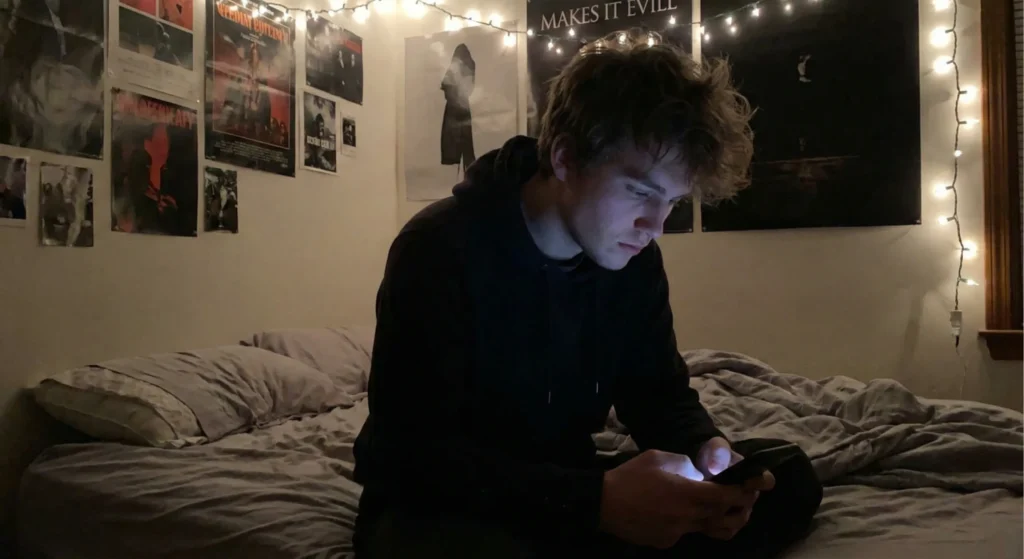
The teenage brain is under massive reconstruction. The Amygdala (emotion/impulse) is fully online and hyper-reactive, but the Prefrontal Cortex (logic/regulation/consequence analysis) won’t be finished until age 25. This biological mismatch causes mood swings in every teenager.
To determine if it’s a clinical issue, we look for two key markers: Duration and Intensity.
1. Duration (How long has it lasted?)
- Normal: A bad mood that lasts for a few days after a breakup or a bad test grade. They eventually bounce back, laugh with friends, and engage in family life again.
- Clinical: A mood shift that persists for two weeks or more. If your teen has seemed “down,” irritable, or anxious every day for two weeks, this is not a phase; it is a symptom.
2. Intensity (How much does it impact function?)
- Normal: They are stressed about school, but they still go. They fight with friends, but they still have friends. They eat and sleep relatively normally.
- Clinical: The emotion prevents them from functioning. They refuse to go to school (school avoidance). They quit the soccer team they used to love. They stop showering. The feeling is so big it stops their life.
The 3 Categories of Warning Signs
Mental health issues rarely show up as just “sadness.” In teens, they often look like anger, apathy, or physical sickness.
1. Emotional & Behavioral Shifts
- The “Explosive” Teen: In boys especially, depression often looks like rage. If your teen is punching walls, screaming over minor inconveniences, or showing uncharacteristic aggression, this is often a sign of internal pain they cannot verbalize.
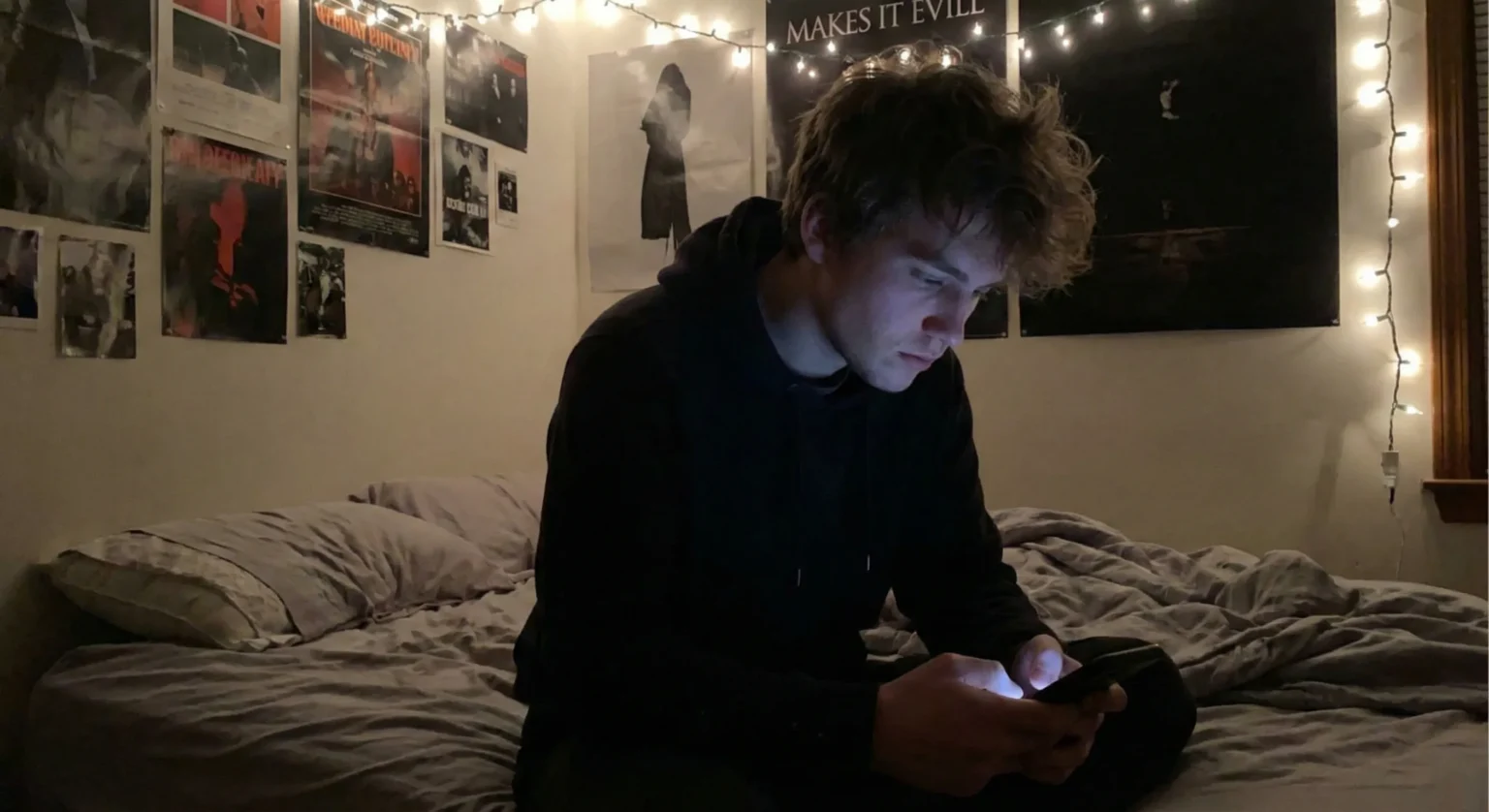
- The “Ghost” Teen: They retreat to their room and never come out. They stop eating dinner with the family. When you ask how they are, you get one-word answers. Isolation is the playground of depression.
- Loss of Interest (Anhedonia): They used to love gaming, skating, or drawing. Now, they just lay in bed and stare at the ceiling. They say, “It’s boring,” but really, they have lost the capacity for joy.
2. Physical (Somatic) Symptoms
The body keeps the score. When a teen cannot articulate anxiety, their body speaks for them.
- “School Refusal” Sickness: Frequent headaches, stomach aches, or nausea specifically on weekday mornings.
- Sleep Disruption: Sleeping 14 hours a day (hypersomnia) or staying awake until 4 AM (insomnia).
- Appetite Changes: Rapid weight loss or gain. Hoarding food in their room.
3. Academic & Social Decline
- The Grade Drop: A sudden plummet in grades is a major red flag. It signals that the executive function (focus/memory) is impaired by mental health issues.
- Changing Peer Groups: Suddenly dropping lifelong friends for a new group that engages in high-risk behavior (vaping, drinking, skipping class).
The "Masking" Phenomenon: The High-Achieving Teen
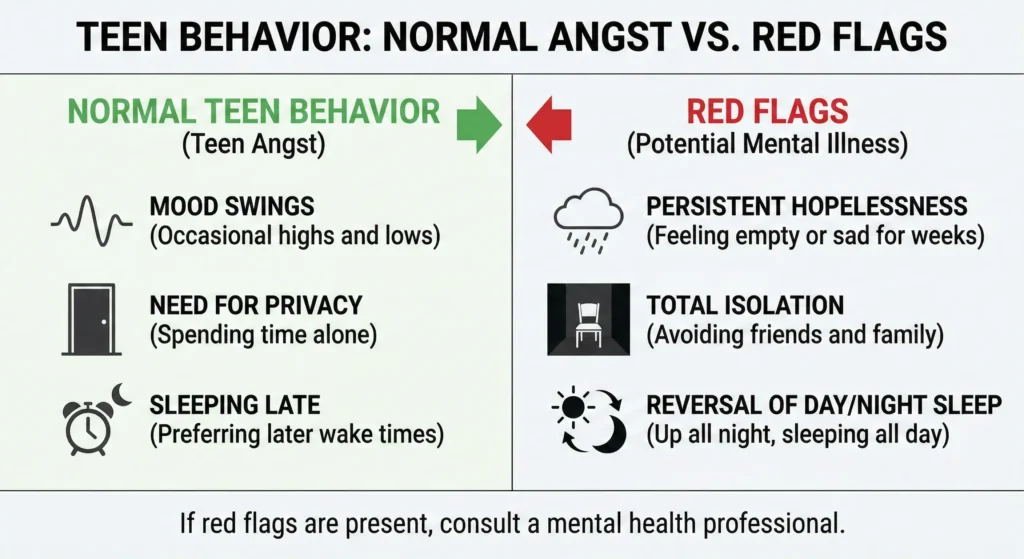
One of the most dangerous myths is that a teen who gets straight A’s and is captain of the team is “fine.”
High-Functioning Anxiety and Depression are rampant in high-achieving teens. They are experts at Masking.
- The Sign: They are perfectionists. They have a panic attack if they get a B. They are hyper-busy but seem brittle—like one wrong move will shatter them. They obsess over their future/college applications to an unhealthy degree.
- The Risk: Because they “look good” on paper, no one intervenes. They suffer in silence until they reach a breaking point, often resulting in a sudden suicide attempt or complete burnout.
Parent Tip: Do not mistake achievement for wellness. Ask your high-performer: “I know you’re doing great at school, but how is your heart doing?”
The Chemical Factor: Substance Use as a Symptom
In 2026, teens rarely use drugs just to “party.” They use them to self-medicate. If you find a vape pen, marijuana (wax pens), or alcohol, do not just treat it as a behavioral issue. Treat it as a mental health clue.
- Vaping/Nicotine: Often used to manage high anxiety or ADHD focus issues.
- Marijuana: Used to numb depression or turn off a racing brain (insomnia).
- Alcohol: Used to cope with social anxiety.
The Warning: If your teen reacts with extreme rage or panic when you take the substance away, they are likely chemically dependent or terrified of facing their emotions without the buffer.
Digital Red Flags: What to Watch For Online
Your teen lives a second life online. You cannot assess their mental health without considering their digital footprint.
- The “Finsta” (Fake Instagram): Teens often have a private account where they post their “real” depressed/anxious feelings.
- Digital Retreat: If your teen suddenly deletes all their social media or stops posting entirely, it can be a sign of social withdrawal or cyberbullying.
- Algorithm of Sadness: If their “For You” page on TikTok is filled with content about depression, self-harm, or eating disorders, it is because they are engaging with that content. The algorithm is a mirror of their mind.
Self-Harm: It’s Not "Just for Attention"
Finding out your teen is cutting or burning themselves is terrifying. The immediate parental reaction is often anger or panic.
Understanding Non-Suicidal Self-Injury (NSSI): Most teens who self-harm are not trying to die. They are trying to regulate.
- The Mechanism: Physical pain releases endorphins that temporarily numb emotional pain. It is a maladaptive coping skill for overwhelming feelings.
- The Response: Do not punish them. Do not say, “You’re just doing this for attention.” Say, “I see that you are in so much pain that this felt like the only way to handle it. I want to help you find better ways to cope.”
Note: While not always a suicide attempt, self-harm is a major risk factor for future suicidality and requires immediate professional treatment.
Advocating at School: Mental Health is Health
If your teen had cancer, the school would make accommodations. They must do the same for mental health. If anxiety or depression is affecting their grades, you have legal rights.
- The 504 Plan: A legal document that ensures accommodations (like extra time on tests, permission to leave class if anxious, or extended deadlines).
- The IEP (Individualized Education Program): For more severe cases where the disability affects their ability to learn, providing specialized instruction.
Parent Action: Don’t wait for the school to offer. Request a meeting with the guidance counselor and bring documentation from your therapist.
How to Talk to Your Teen (Without a Fight)
If you see these signs, your approach matters. If you come in “hot” with accusations or fear, they will shut down.
The “Car Ride” Strategy: Teens open up better when they don’t have to make eye contact. Talk while driving, walking the dog, or cooking together.
Scripts to Use:
- Observation, Not Accusation: “I’ve noticed you haven’t been hanging out with potential lately, and you seem really tired. I’m not mad, I’m just worried. What’s going on?”
- Normalize It: “I know a lot of kids are struggling right now. Do you feel like your stress is manageable, or does it feel too big to handle alone?”
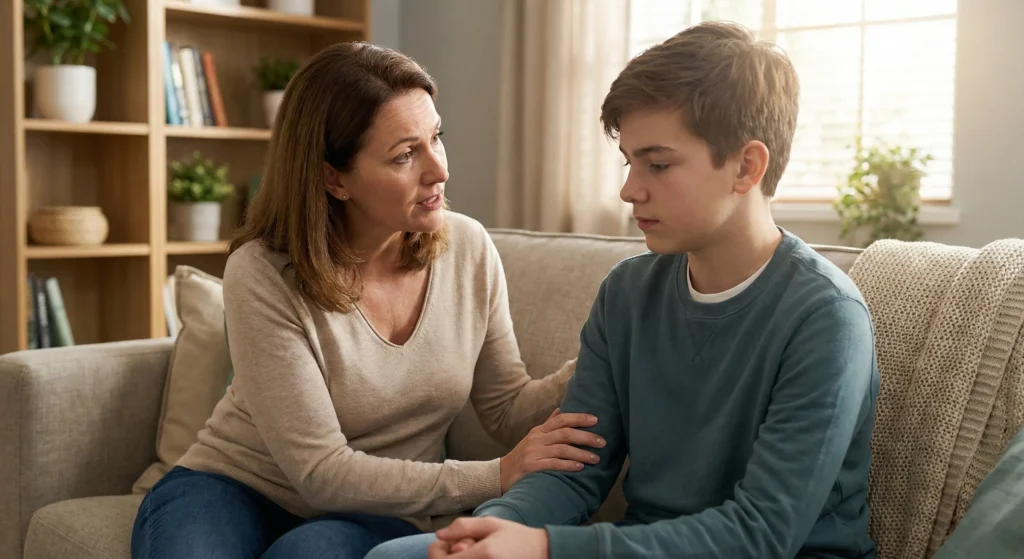
- The “Third Party” Offer: “I know you might not want to talk to me about everything. That’s okay. But you deserve to talk to someone. Would you be open to talking to a therapist just once to see if it helps?”
Levels of Care: What Does "Help" Look Like?
If your teen needs more than a weekly therapy session, there are structured programs designed to intervene while keeping them connected to their life.
1. Intensive Outpatient Program (IOP)
- What it is: Therapy groups and individual sessions for 3 hours a day, 3-4 days a week, after school.
- Best for: Teens who are struggling but can still attend school and stay safe at home. It provides a community of peers.
2. Partial Hospitalization Program (PHP)
- What it is: A full-day program (often 6 hours/day) that replaces school temporarily. It includes academics, therapy, and psychiatry.
- Best for: Teens who are refusing school, self-harming, or need medication stabilization but are safe to sleep at home.
3. Residential Treatment
- What it is: Living at the facility 24/7 for 30-90 days.
- Best for: Teens who are a danger to themselves or others, or who cannot break the cycle of substance use/behavior in the home environment.
At Teen Mental Health Facility, we guide you to the appropriate level of care based on a clinical assessment.
The Sibling Effect: Protecting the Home
When one child is in crisis, the whole house shakes. Siblings often feel ignored (“The Glass Child” syndrome) or terrified by their sibling’s outbursts.
- Validate Them: Ensure the siblings know it is not their job to fix their brother/sister.
- Carve Out Time: Make sure you spend time with the “healthy” siblings where you don’t talk about the crisis. They need to know they matter too.

Conclusion: Trust Your Instincts
You know your child better than anyone. You know the light in their eyes. If that light has gone out, don’t wait for it to come back on its own.
Mental health issues are treatable. Early intervention can save your teen years of suffering and change the trajectory of their adult life. You are not failing them by asking for help; you are fighting for them.
If you are seeing the signs, we are here to help you navigate the next steps. Contact Teen Mental Health Facility today for a confidential consultation.
Frequently Asked Questions
Will my teen hate me for sending them to treatment? They might be angry at first. That is a normal reaction to losing control. But most teens, once they feel the relief of being supported and understood, eventually express gratitude. You are prioritizing their life over their temporary approval.
Is it my fault? No. Mental health is a complex mix of genetics, biology, and environment. Blaming yourself keeps you stuck. The most helpful thing you can do is focus on the solution, not the cause.
What if they refuse to go? This is common. For minors, parents have the legal right to consent to treatment. We can provide guidance on how to transport a resistant teen safely and compassionately.
Can they still do school in treatment? Yes. Our PHP and Residential programs include an academic component to ensure they do not fall behind while focusing on their healing.