

School Stress Depression Teens: What Parents Should Know
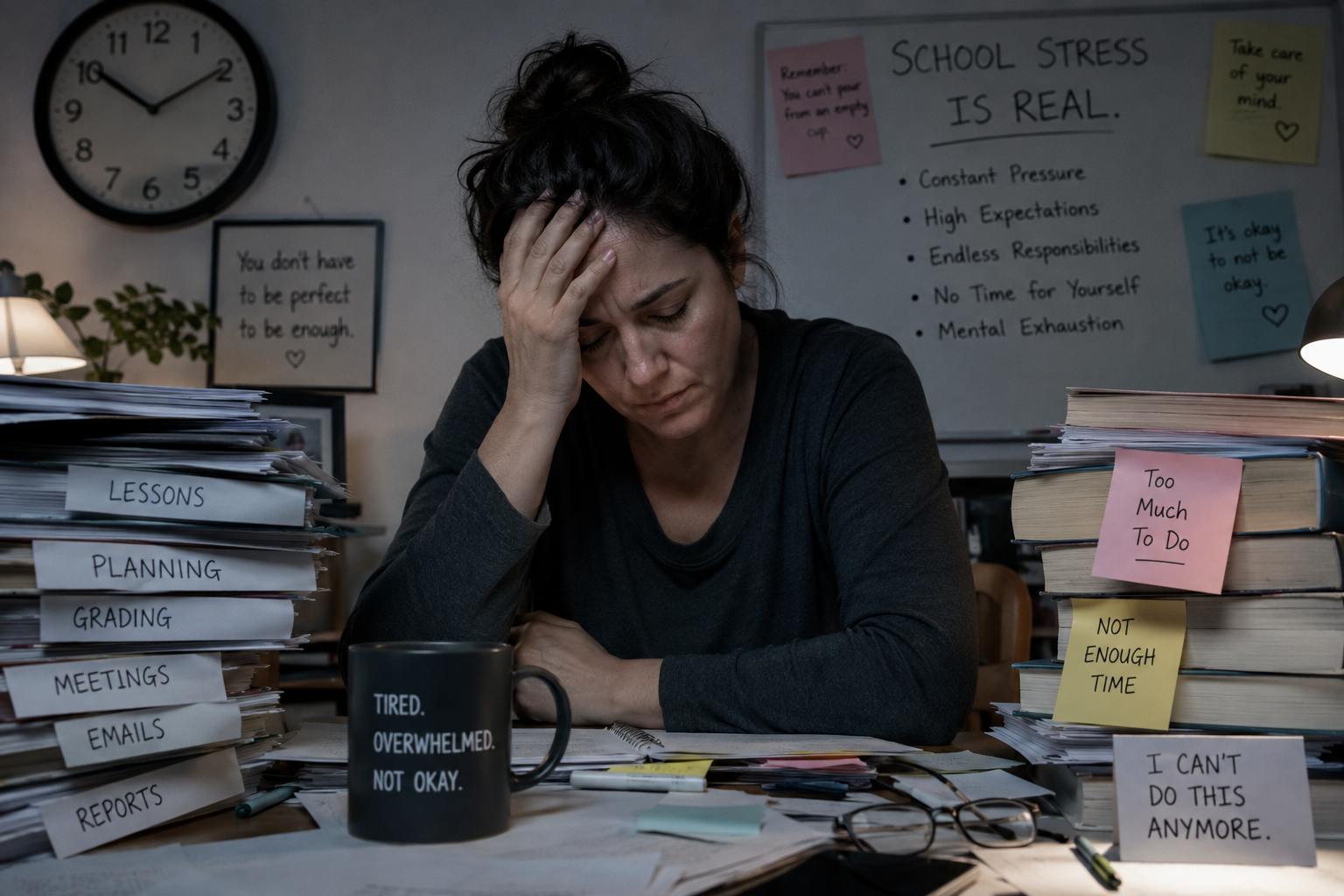
School can be hard for many teens. Tests, homework, grades, sports, friends, and college pressure can feel like too much. For some students, school stress can grow into deeper sadness or depression. If your child seems overwhelmed, teen mental health support can help families understand what is going on and what steps to take next. School stress depression teens is a common concern because many parents are not sure if their teen is just stressed or needs help from a mental health professional.
What Is School Stress in Teens?
School stress is the pressure a teen feels from school life. This can come from grades, teachers, homework, tests, bullying, social pressure, or fear of failing. Some stress is normal. A little stress can help a teen study, stay on track, and finish work.
But too much stress can hurt a teen’s mind and body. When stress lasts for weeks or months, it can affect sleep, mood, focus, appetite, and self-esteem. A teen may feel like they can never catch up. They may start to believe they are not good enough.
Common Causes of School Stress
School stress can come from many places. A teen may feel pressure to get straight A’s. They may worry about getting into college. They may compare themselves to classmates. They may feel scared to speak in class or ask for help.
Other causes include heavy homework, learning problems, ADHD, test anxiety, social anxiety, bullying, school refusal, family conflict, and lack of sleep. Some teens also feel stress from sports, clubs, jobs, or caring for siblings at home.
Why School Stress Can Feel Bigger for Teens
The teen brain is still growing. The part of the brain that helps with planning, impulse control, and decision-making is still developing. This can make stress feel stronger. Teens may also have big emotions but not know how to explain them.
Hormone changes, peer pressure, social media, and identity questions can add more pressure. A teen may look calm on the outside but feel lost inside.
Can School Stress Cause Depression in Teens?
School stress does not always cause depression, but it can be one part of the problem. Depression usually happens because of many things together. These can include genetics, brain chemistry, trauma, family stress, bullying, sleep problems, medical issues, and long-term stress.
When school stress keeps building, a teen may start to feel hopeless. They may think, “I can’t do this anymore,” or “I will never be good enough.” Trusted health guidance notes that teen depression can affect mood, thinking, behavior, school function, and physical health.
Stress vs. Depression
Stress often gets better when the problem gets better. For example, a teen may feel better after a test is over or after a big project is done.
Depression is different. Depression can last for weeks or longer. It may not go away even when school pressure slows down. A teen may stop enjoying things they used to like. They may sleep too much or too little. They may feel tired, empty, angry, or numb.
When School Stress Becomes a Bigger Problem
School stress may become a bigger concern when it changes how a teen lives each day. A teen may stop doing homework, avoid school, cry often, sleep all day, stop seeing friends, or say they feel worthless.
If these signs last more than two weeks, parents should take them seriously. Depression is not laziness. It is not drama. It is a real mental health condition that can be treated.
Signs of School Stress Depression Teens May Show
Teens do not always say, “I am depressed.” They may show it in other ways. Some teens act angry. Some pull away. Some become quiet. Some say they are sick often. Parents may notice changes before the teen explains how they feel.
Emotional Signs
A teen may seem sad, tearful, angry, nervous, or hopeless. They may get upset over small things. They may feel like they are a failure. They may say they hate school or hate their life.
Some teens feel numb instead of sad. They may say, “I don’t care,” even when they used to care a lot.
School Signs
School stress depression teens may show up through falling grades, missing assignments, skipping class, school refusal, or trouble paying attention. A teen may spend hours staring at homework but not finish it.
They may avoid emails from teachers. They may hide grades. They may panic before tests. They may feel ashamed when they fall behind.
Body Signs
Depression and stress can affect the body. A teen may have headaches, stomachaches, muscle tension, low energy, sleep problems, or appetite changes. They may visit the nurse often or ask to stay home from school.
These body signs are real. They are not always excuses. Stress can affect the nervous system and make a teen feel sick.
Social Signs
A teen may stop texting friends, quit activities, avoid family meals, or stay in their room. They may feel left out or think no one likes them. School connectedness can help protect teen mental health, and students who feel cared for at school are less likely to have poor mental health.
Why Teens May Hide School Stress and Depression
Many teens hide their pain because they feel embarrassed. They may think parents will be mad about grades. They may worry a teacher will judge them. They may not want friends to know they are struggling.
Some teens do not know they are depressed. They may think they are just lazy, tired, or bad at school. This is why calm support matters.
Fear of Getting in Trouble
A teen may hide missing work because they fear punishment. If every school talk turns into yelling, the teen may shut down. Parents can still set limits, but the first step is to understand what is happening.
Pressure to Be Perfect
Some teens look successful but feel awful inside. They may get good grades, play sports, and smile in public. But at night, they may cry, panic, or feel like they can never rest.
High-achieving teens can also have depression. Good grades do not mean a teen is okay.
How Parents Can Help a Teen With School Stress and Depression
Parents do not need to fix everything in one day. The first goal is to help the teen feel safe, heard, and supported. A calm talk can open the door.
Start With a Calm Conversation
Choose a quiet time. Try saying, “I noticed school has seemed really heavy lately. I am not mad. I want to understand.” This helps the teen feel less attacked.
Listen more than you talk. Do not rush to give advice. Try not to say, “You just need to try harder.” A teen with depression may already be trying as hard as they can.
Ask Simple Questions
Ask questions like:
“What part of school feels hardest right now?”
“Are you feeling sad, scared, or tired most days?”
“Do you feel safe at school?”
“Have you thought about hurting yourself?”
Asking about self-harm does not put the idea in a teen’s head. It can help keep them safe.
Talk to the School
Parents can contact a school counselor, teacher, nurse, or administrator. The school may help with tutoring, a reduced workload, a quiet test space, a 504 plan, or other supports.
The American Academy of Pediatrics notes that schools can play an important role in supporting students with depression through safe, caring, and helpful school environments.
Build a Simple After-School Routine
A teen with depression may feel frozen by too many tasks. A simple routine can help. Start with a snack, rest, homework block, break, dinner, shower, and bedtime.
Keep the routine realistic. A teen who is overwhelmed may need small steps. Finishing one missing assignment is still progress.
Healthy Coping Skills for School Stress Depression Teens
Coping skills do not replace therapy when a teen is depressed. But they can help lower stress and support treatment.
Sleep and Rest
Sleep is very important for teen mental health. Many teens do not get enough sleep because of homework, phones, early school times, or anxiety. Poor sleep can make mood and focus worse.
Help your teen build a bedtime routine. Keep phones away from the bed if possible. Try calming activities like reading, stretching, or quiet music.
Movement
Exercise can help the body release stress. This does not have to mean a hard workout. Walking, biking, dancing, stretching, yoga, or shooting hoops can help.
The goal is not weight loss. The goal is to help the body and brain feel better.
Break Big Tasks Into Small Steps
A long list of missing work can feel scary. Help your teen pick one small task first. For example, “Open the laptop,” “Find the assignment,” or “Write the first sentence.”
Small steps can help a teen feel less stuck.
Limit Over-Scheduling
Too many activities can drain a teen. Sports, clubs, honors classes, work, and social plans can become too much. Parents may need to help the teen choose what matters most.
Rest is not laziness. Rest helps the brain recover.
When to Get Professional Help
Get help when school stress depression teens signs last more than two weeks, get worse, or affect daily life. Help is also needed if a teen talks about death, self-harm, feeling worthless, or not wanting to live.
A mental health professional can check for depression, anxiety, ADHD, trauma, learning problems, or other issues. Treatment may include therapy, family support, school support, coping skills, and sometimes medication.
Emergency Warning Signs
Get emergency help right away if your teen has a plan to hurt themselves, talks about suicide, gives away important items, says goodbye, or seems unsafe. Stay with your teen and contact emergency services or a crisis line.
Treatment Can Help Teens Feel Better
Teen depression is treatable. Many teens improve with the right care and support. Therapy can help teens learn how to name feelings, manage stress, challenge negative thoughts, and rebuild healthy routines.
Families can also learn how to support a teen without shame or blame.
How Teen Mental Health Facility Supports Families
Teen Mental Health Facility helps families understand teen mental health concerns like depression, anxiety, school stress, trauma, and emotional struggles. When a teen is overwhelmed by school and life, support can help them feel less alone.
The goal is to help teens feel safe, build coping skills, and get the right level of care. Parents do not have to guess alone. A caring team can help families take the next step.
Final Thoughts on School Stress Depression Teens
School stress is common, but depression should never be ignored. If your teen is pulling away, falling behind, sleeping too much, crying often, or saying they feel hopeless, it may be time to get help.
The most important message is this: your teen is not broken. They may be overwhelmed, scared, or depressed. With support from parents, school staff, and mental health professionals, teens can heal and move forward.
FAQs About School Stress Depression Teens
Can school stress cause depression in teens?
School stress can be one part of teen depression, especially when stress lasts a long time. Heavy homework, bullying, test anxiety, social pressure, and fear of failure can all affect mental health. Depression usually has more than one cause, so it is important to look at the full picture.
How do I know if my teen is stressed or depressed?
Stress may improve when the school problem gets better. Depression often lasts for weeks or longer and affects sleep, mood, energy, focus, and interest in life. If your teen seems hopeless, numb, very tired, or no longer enjoys things, it may be depression.
What should I say to my teen if school is making them depressed?
Start with calm support. You can say, “I can see school feels really hard right now. I am not mad. I want to help.” Listen first. Try not to lecture. Ask what feels hardest and whether they feel safe.
Should I tell the school if my teen is depressed?
Yes, if your teen is struggling with schoolwork, attendance, bullying, or safety, the school may need to know. A school counselor or trusted teacher may help create support, such as extra time, reduced workload, tutoring, or a safe place to go during the day.
When should I get help for my teen?
Get help if symptoms last more than two weeks, get worse, or affect school, sleep, friendships, or daily life. Get emergency help right away if your teen talks about suicide, self-harm, or not wanting to live.