
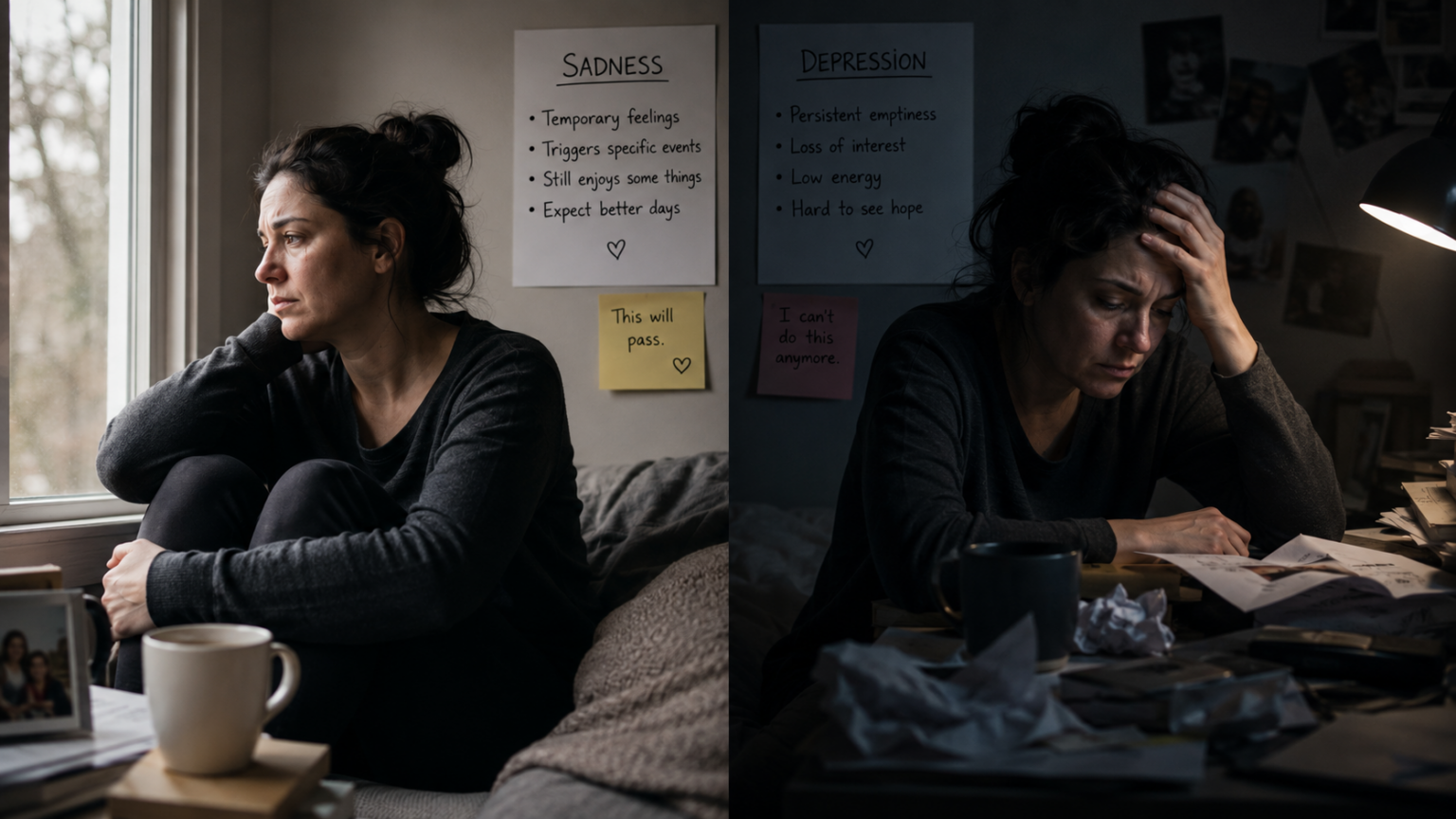

What Is the Difference Between Teen Depression vs Sadness?
Understanding teen depression vs sadness can help parents know when a teen needs more support. Sadness is a normal feeling. Depression is a mental health condition that can affect a teen’s mood, body, school life, sleep, eating, and relationships. If your teen seems stuck in sadness, loses interest in things they used to enjoy, or starts pulling away from family and friends, learning more from Teen Mental Health Facility can help you take the next step.
Sadness usually has a clear reason. A teen may feel sad after a breakup, a fight with a friend, a bad grade, moving schools, or losing something important. The feeling may hurt, but it often gets better with time, care, rest, and support.
Teen depression is different. It can last for weeks or longer. It may not go away even when life gets better. It can make a teen feel hopeless, empty, angry, tired, or alone. Trusted health sources explain that depression in teens can affect how they think, feel, act, and function each day.
What Is Normal Sadness in Teens?
Sadness Is a Human Emotion
Sadness is not always a bad thing. It is part of being human. Teens are growing fast. Their bodies, brains, friendships, school stress, and family roles are changing. Because of this, teens may have strong emotions.
A sad teen may cry, want alone time, seem quiet, or feel upset for a few days. They may still laugh at times, enjoy favorite music, text friends, play sports, or care about school after the hard moment passes.
Common Reasons Teens Feel Sad
Teens may feel sad because of peer pressure, social media stress, bullying, family conflict, low self-esteem, body image concerns, academic pressure, grief, friendship problems, dating stress, or major life changes.
Sadness can also happen when a teen feels left out, embarrassed, rejected, or misunderstood. These feelings are real and should be taken seriously. But normal sadness often comes and goes. It does not usually take over the teen’s whole life.
What Is Teen Depression?
Teen Depression Is More Than Feeling Down
Teen depression is a serious mental health condition. It may include a low mood, loss of interest, irritability, hopeless thoughts, sleep problems, appetite changes, low energy, trouble focusing, or thoughts of death or self-harm.
Some teens do not say, “I am depressed.” They may say, “I’m tired,” “I don’t care,” “Leave me alone,” “Nothing matters,” or “I hate myself.” Some teens look angry instead of sad. Others may become numb and quiet.
Depression Can Affect Daily Life
A teen with depression may stop doing homework, avoid friends, quit activities, sleep too much, stay up all night, eat much more or much less, or seem unable to enjoy things. They may also have headaches, stomachaches, body pain, or constant fatigue.
Depression can affect school performance, family communication, hygiene, motivation, and decision-making. The CDC notes that ongoing or extreme sadness can be a sign that a child or teen should be evaluated by a health care provider or mental health specialist.
Teen Depression vs Sadness: Main Signs to Watch
How Long It Lasts
Sadness often improves after a short time. Teen depression usually lasts longer. If symptoms last two weeks or more, happen most days, and affect daily life, parents should pay close attention.
A teen may still have good moments while depressed. Smiling once in a while does not mean everything is fine. Depression can come in waves, but the deeper pattern may still be there.
How Strong It Feels
Sadness may feel painful, but a teen can often still connect, rest, and recover. Depression can feel heavy and hard to escape. The teen may say life feels pointless or that nothing will ever get better.
How It Changes Behavior
Sadness may lead to a few quiet days. Depression may lead to major behavior changes. These can include missing school, dropping grades, quitting hobbies, avoiding showers, isolating from friends, arguing more, using substances, or taking unsafe risks.
How It Affects Hope
A sad teen may still believe things can improve. A depressed teen may feel trapped, worthless, guilty, or hopeless. Hopelessness is an important warning sign because it may raise the risk of self-harm or suicide.
Emotional Symptoms of Teen Depression
Irritability, Anger, or Mood Swings
Teen depression does not always look like crying. It can look like anger, snapping, sarcasm, rage, or being annoyed by everything. Parents may think the teen is being difficult, when the teen may actually be in emotional pain.
Feeling Empty or Numb
Some teens with depression say they do not feel anything. They may seem flat, bored, or disconnected. They may stop caring about school, clothes, friends, sports, hobbies, or future plans.
Guilt, Shame, or Worthlessness
A depressed teen may blame themselves for things that are not their fault. They may say, “I ruin everything,” “I’m a burden,” or “Nobody wants me around.” These thoughts should be taken seriously.
Physical Symptoms of Teen Depression
Sleep Changes
Depression can make teens sleep too much or not enough. A teen may stay awake most of the night, struggle to wake up for school, nap often, or say they are tired even after sleeping.
Appetite and Weight Changes
Some teens lose interest in food. Others eat more for comfort. Sudden changes in eating habits, weight, or body image can be signs of emotional distress.
Low Energy and Body Pain
Teen depression can make the body feel heavy. A teen may move slower, talk less, complain of headaches or stomachaches, or avoid normal tasks because they feel too hard.
Social and School Signs of Teen Depression
Pulling Away From Friends and Family
A teen who is sad may need space. A teen who is depressed may fully withdraw. They may stop answering texts, avoid family meals, stay in their room, or lose interest in people they used to enjoy.
Falling Grades or School Avoidance
Depression can make focus and memory harder. A teen may miss assignments, stop studying, skip class, or feel too anxious or tired to go to school.
Losing Interest in Activities
One of the biggest signs of depression is loss of interest. A teen may quit sports, art, gaming, clubs, music, or other hobbies. They may say, “It’s boring,” even if they used to love it.
Causes and Risk Factors for Teen Depression
Brain, Body, and Hormone Changes
Teen brains are still growing. Mood, sleep, stress response, and decision-making are still developing. Hormone changes can also affect emotions, but hormones alone should not be used to dismiss serious symptoms.
Family History and Genetics
Depression can run in families. If a parent or close family member has depression, anxiety, bipolar disorder, substance use issues, or another mental health condition, a teen may have a higher risk.
Stress, Trauma, and Loss
Teen depression can be linked to trauma, bullying, abuse, neglect, grief, divorce, family conflict, discrimination, chronic illness, or major stress at school. The American Academy of Child and Adolescent Psychiatry notes that stress, loss, medical illness, family conflict, anxiety, and behavior problems can be linked with depression in young people.
Social Media and Peer Pressure
Social media can add pressure to look perfect, be popular, or compare life to others. Cyberbullying, online drama, and sleep loss from late-night phone use may also affect mood.
When Sadness May Be Turning Into Depression
Warning Signs Parents Should Not Ignore
Parents should look for patterns. One bad day is different from a major change that lasts. Warning signs may include:
A sad or angry mood most days
Loss of interest in favorite things
Sleeping too much or too little
Eating much more or much less
Falling grades
Pulling away from friends
Feeling worthless or hopeless
Talking about death or wanting to disappear
Self-harm marks or hidden injuries
Giving away important items
Using alcohol or drugs
Saying family would be better off without them
When to Seek Help
Parents should seek help when symptoms last two weeks or longer, get worse, or affect school, home, safety, or friendships. A pediatrician, therapist, counselor, psychologist, psychiatrist, or licensed mental health professional can help screen for depression and guide care.
If a teen talks about suicide, self-harm, or not wanting to live, get help right away. Call 988 in the United States, call emergency services, or go to the nearest emergency room if there is immediate danger. NIMH lists talking about wanting to die, feeling trapped, being a burden, and withdrawing as suicide warning signs.
How Parents Can Talk to a Teen About Depression
Start With Calm Support
Pick a quiet time. Speak with care. Do not start with blame or punishment. A helpful way to begin is, “I’ve noticed you seem really down lately, and I care about you. Can you tell me what has been going on?”
Listen More Than You Talk
Teens may shut down if they feel judged. Try not to say, “You have nothing to be sad about,” “Other people have it worse,” or “Just be positive.” Instead, say, “That sounds really hard,” “I’m glad you told me,” and “We will get through this together.”
Ask Direct Safety Questions
It is okay to ask, “Have you thought about hurting yourself?” or “Have you thought about not wanting to be alive?” Asking does not put the idea in their head. It can help a teen feel less alone and more willing to accept help.
How Teen Depression Is Treated
Therapy and Counseling
Therapy can help teens understand feelings, build coping skills, challenge negative thoughts, and improve communication. Common therapy options may include cognitive behavioral therapy, dialectical behavior therapy skills, family therapy, group therapy, and trauma-informed care.
Medication Support
Some teens may need medication, such as antidepressants, when symptoms are moderate or severe. Medication should be guided by a qualified medical provider, such as a psychiatrist or pediatrician. Parents should ask questions about benefits, risks, side effects, and follow-up care.
Family and School Support
A teen may need support at home and school. This can include a regular sleep schedule, less isolation, reduced stress, school accommodations, healthy meals, movement, safe routines, and open family check-ins.
How Teen Mental Health Facility Can Help
Support for Teens and Families
Teen Mental Health Facility helps families understand teen depression, sadness, mood changes, anxiety, trauma, and emotional struggles. The goal is to help teens feel heard, supported, and safe while families learn what steps may help.
Care That Looks at the Whole Teen
Teen depression can affect the mind, body, relationships, school, sleep, and self-worth. Helpful care should look at the full picture, not just one symptom. Teens need support that respects their age, stress, family life, and personal needs.
Final Thoughts on Teen Depression vs Sadness
Teen sadness is common, but teen depression is more serious. Sadness often improves with time and support. Depression lasts longer, feels heavier, and affects daily life. Parents should trust their concerns when a teen’s mood, sleep, school, behavior, or safety changes.
The most important step is to stay connected. Ask questions. Listen closely. Watch for warning signs. Reach out for professional help when symptoms do not improve or when safety is a concern. Teen depression is treatable, and early support can help a teen feel less alone.
FAQs About Teen Depression vs Sadness
What is the main difference between teen depression vs sadness?
The main difference is how long it lasts and how much it affects daily life. Sadness is a normal feeling that often improves with time. Teen depression can last for weeks or longer and may affect sleep, school, energy, friendships, and hope.
How long should teen sadness last before I worry?
Parents should pay close attention if sadness, anger, withdrawal, or loss of interest lasts two weeks or more. You should also seek help sooner if your teen talks about self-harm, suicide, hopelessness, or not wanting to live.
Can a teen be depressed even if they still smile?
Yes. A teen can smile, laugh, or act okay sometimes and still be depressed. Depression does not always show every minute. Parents should look at the full pattern, including sleep, school, mood, energy, behavior, and social changes.
What should I say to a teen who may be depressed?
Start with care and avoid judgment. You can say, “I’ve noticed you seem different lately, and I care about you. I’m here to listen.” Let your teen talk without rushing to fix everything right away.
When should I get professional help for teen depression?
Get professional help if symptoms last two weeks or more, get worse, affect daily life, or include self-harm or suicidal thoughts. A therapist, counselor, pediatrician, psychiatrist, or mental health professional can help your teen get the right support.